FACULTY LEADER
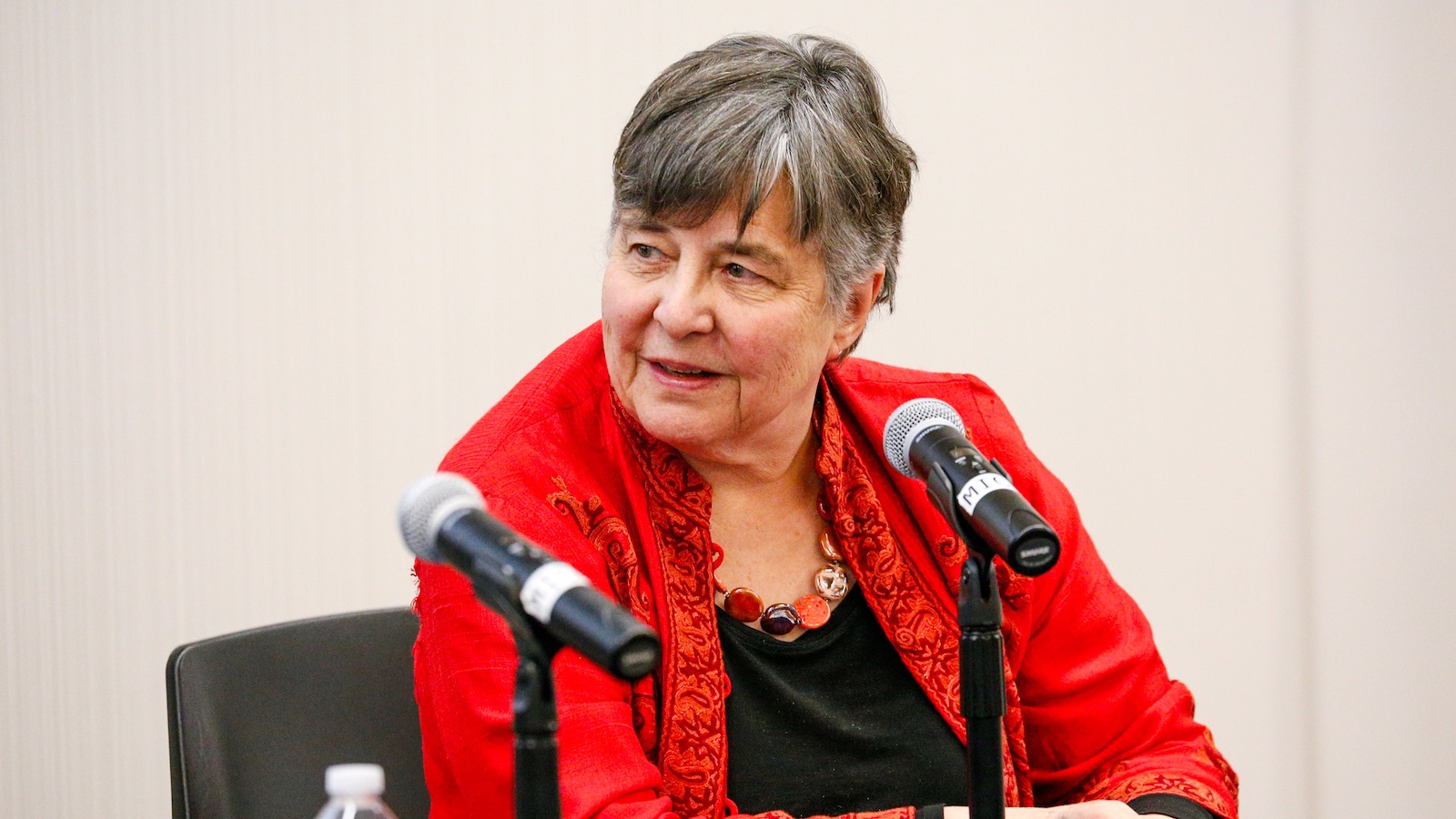
Katherine Marshall
Katherine Marshall is a Senior Fellow at the Berkley Center for Religion, Peace, and World Affairs, where she leads the Center's program on...
read more >>
RELATED PUBLICATIONS
January 2013
January 2013
January 2013
RELATED EVENTS
February 8, 2013
December 4, 2012
October 12, 2012
AT THE CENTER
RELATED RESOURCES: FAITH-INSPIRED
Religion and Global Development
The Berkley Center's Religion and Global Development program, in close collaboration with the World Faiths Development Dialogue (WFDD), tracks the engagement of religious communities and faith-inspired organizations around global policy challenges and brings together stakeholders to examine best practices and advance collaboration.
RELATED PROJECTS
Faith and Global Development: Online Consultation on Next StepsThe Berkley Center and World Faiths Development Dialogue have developed a series of policy briefs that examine the role of faith-based organizations and topics including: corruption, the WASH agenda, human trafficking in Cambodia, Southeast Asia, aid effectiveness, immunization, and reducing maternal mortality. The briefs distill key findings from reports and consultations carried out during the first five years of the Religion and Global Development program. Comments and suggestions on the documents are welcome as the program looks toward the next phase of its work. Please contact Katherine Marshall: km398@georgetown.edu.
Practitioners and Faith-Inspired Development "What is the role of faith in your work?" This series of more than 200 interviews, made possible through the support of the Henry R. Luce Foundation, asks this fundamental question of leaders in the development field. The assembled in-depth conversations with activists and policy specialists examine best practices and collaborative strategies across a range of contemporary challenges, including HIV/AIDS, malaria, education, governance, and gender.
Religion and Global Development Capstone Conference Interview SeriesIn preparation for the November 2011 capstone to reflect on the first phase of the Religion and Global Development project, the Berkley Center and the World Faiths Development Dialogue conducted a series of focused interviews with practitioners and scholars working at the forefront of policy and practice at the intersection of faith and development. As the 2015 the Millennium Development Goals deadline approaches, the interview series explores how the efforts of faith-inspired actors can best be harnessed to craft effective policy looking in the years ahead.
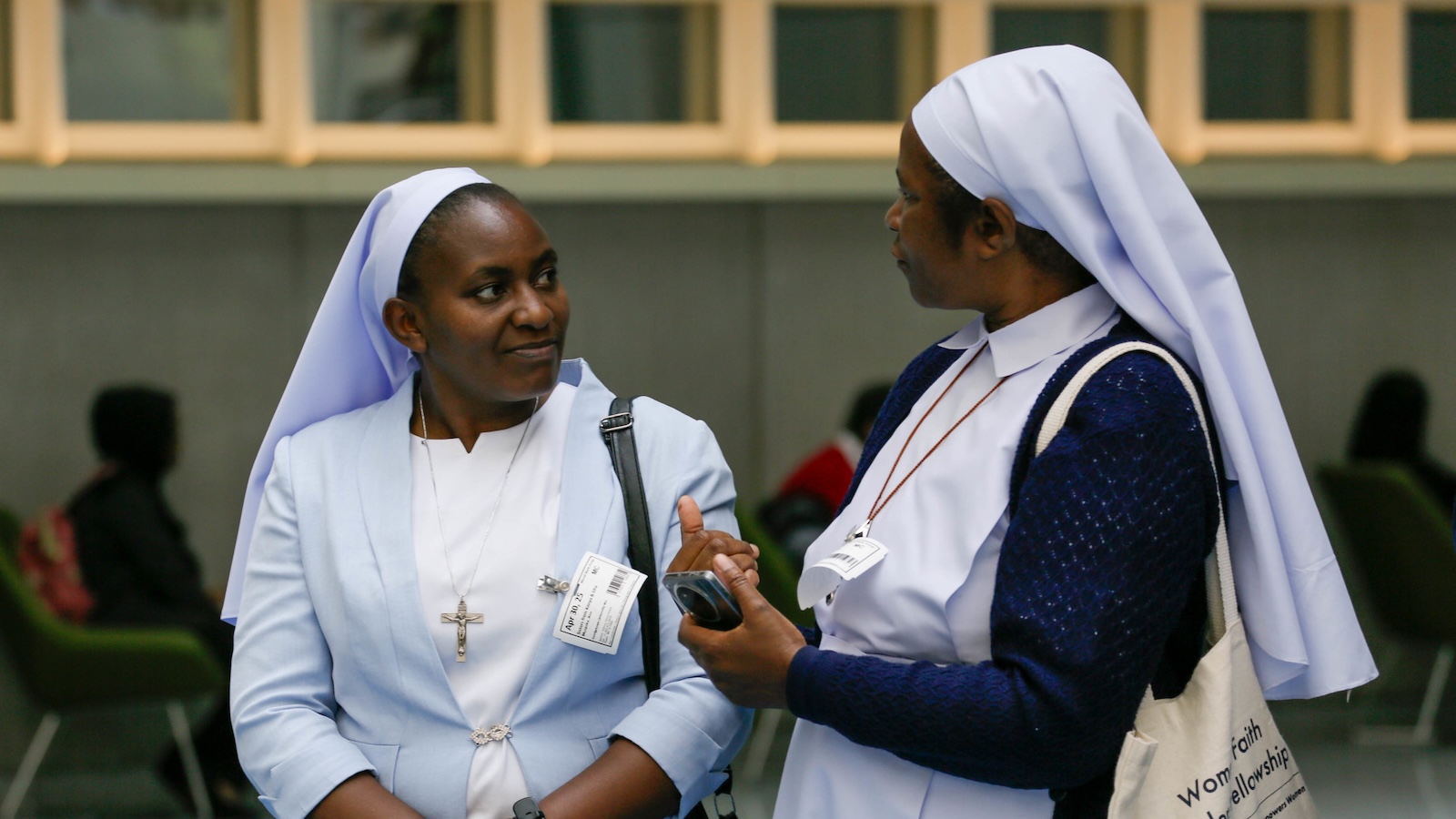
Women, Religion, and Peace: Experience, Perspectives, and Policy ImplicationsScholars and practitioners have devoted increasing attention to the roles played by faith communities in negotiating and building peace in the world's conflict zones. Because formal religious leadership tends to be dominated by men, women's engagement in religious peacemaking has received far less attention. To address this knowledge gap, the US Institute of Peace, the Berkley Center, and the World Faiths Development Dialogue are conducting a multiyear exploration of the activities and perspectives of women in peacebuilding and their policy implications.
Women's Rights, Religion, and the FamilyThe relationship between women’s rights, religion, and the family is sharply contested around the world. Through research, publications, events, and online resources, the Berkley Center and the World Faiths Development Dialogue are building a knowledge base and promoting constructive and sustained engagement among religious communities and governments, international organizations, and secular NGOs working at the intersection of gender, development, and human rights.
Olympic Values: History, Dilemmas, and Opportunities
The ethical and values challenges that underlie the Olympic Movement are explored in this series of interviews with leading practitioners. The interviews highlight historical dimensions and contemporary dilemmas such as nationalism versus the universality and the effects of commercial interests. The series also explores the significance of the Paralympics and Special Olympics, the unexploited potential of the Olympic Truce, and the intersection of religion with the Olympic Movement.
Religion and Global Development Issues Survey
The Berkley Center and World Faiths Development Dialogue are conducting a multi-year survey of critical issues at the intersection of religion and development. Project publications and associated events track the engagement of faith-inspired organizations around a set of core policy challenges, with an emphasis on common problems, ethical commitments, and best practices. Thus far the project has addressed HIV/AIDs, Gender, Shelter, Governance, Malaria, Tuberculosis, Water and Sanitation, and Maternal Mortality.
Global Mapping of Faith-Inspired Organizations and Development
The Berkley Center and the World Faiths Development Dialogue (WFDD) are mapping the activities of faith-inspired organizations across world regions. Through a series of reports, in-depth interviews with practitioners, and international workshops, and an interactive database, the mapping project charts organizations anchored in particular faith traditions or with ecumenical or interfaith approaches that are engaged in global development agendas, including poverty relief, education, and the struggle against HIV/AIDS and malaria.