Strategic Religious Engagement Hub
Leader: Peter Mandaville
Program: Religion and the Future of Global Engagement
The Strategic Religious Engagement Hub is an initiative dedicated to supporting the United States government’s capacity for strategic religious engagement in the contexts of diplomacy, development, and defense.
Strategic religious engagement (SRE) refers to efforts by U.S. government foreign policy and national security agencies to engage and partner with religious actors to advance diplomatic, defense, and development priorities. The federal government’s capacity for SRE has been cultivated and institutionalized over several decades—most extensively within the United States Agency for International Development (USAID), the Department of State, and the Department of Defense, as well as related public institutions such as the United States Institute of Peace (USIP). However, due to broad administrative restructuring across the federal government in 2025, the SRE infrastructure within the U.S. government has largely been lost and approaches to faith engagement have shifted.
The SRE Hub seeks to preserve the U.S. government’s capacity for religious engagement in the years ahead through dedicated efforts to:
- maintain institutional memory;
- collect and curate relevant SRE documents;
- convene practitioners, scholars, and current and former officials to chart the future of SRE; and
- explore innovative pathways for SRE initiatives moving forward.
By sustaining this critical capacity, the SRE Hub supports the U.S. government’s ability to navigate the complex role that religion plays in global affairs and to effectively engage religious actors in advancing U.S. foreign policy objectives.
Hosted by the Berkley Center for Religion, Peace, and World Affairs at Georgetown University, the SRE Hub was established in 2025 and is generously supported by the Henry Luce Foundation and previously by the Andrew Carnegie Foundation and the Peacebuilder Grant Fund.
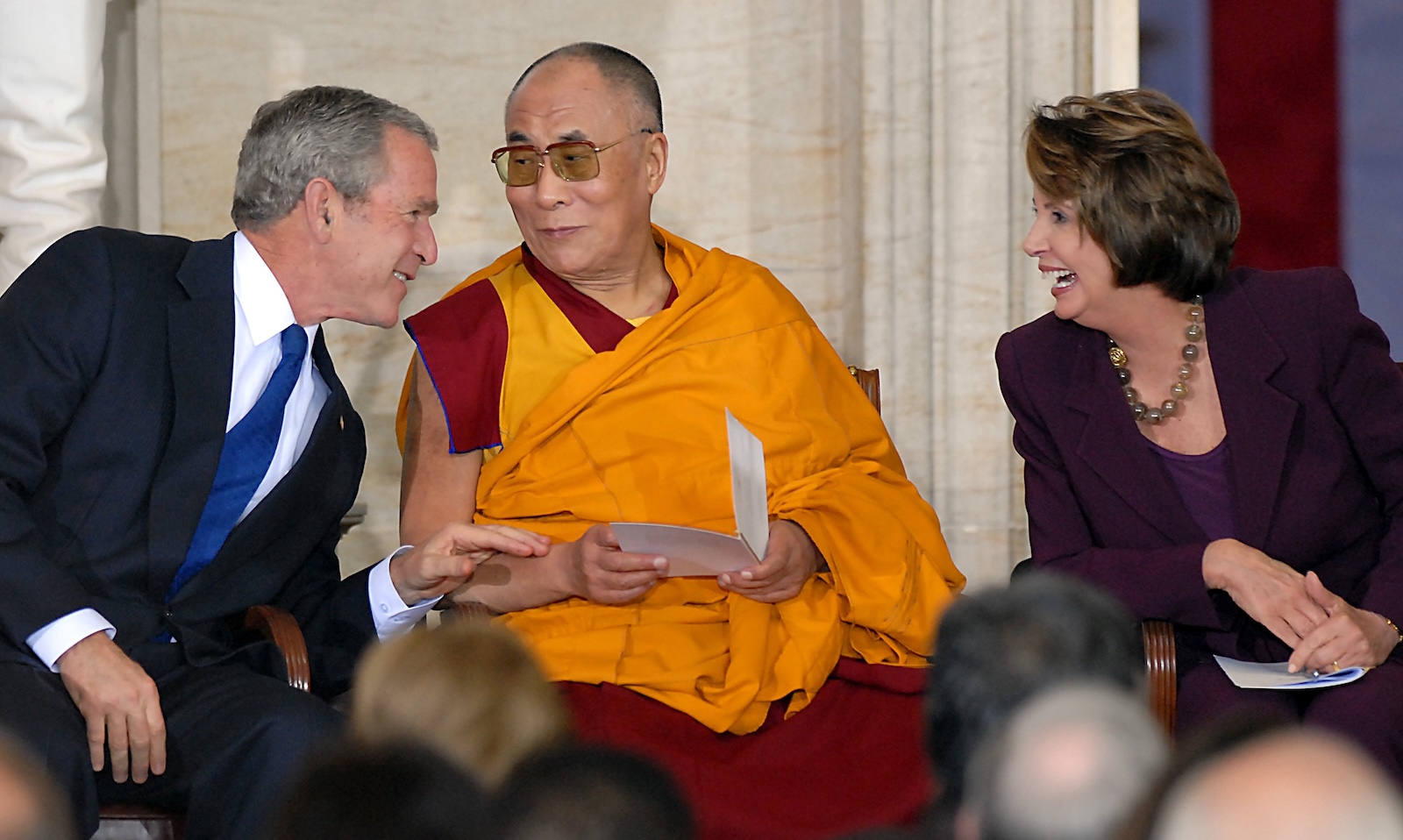
Project Leader

Senior Research Fellow
Strategic Religious Engagement Hub Subprojects Slider