Community and Commitment: The Story of Xavier University’s Night School Program
By: Pragyan Kumar Acharya (SFS'24)
August 7, 2026
In summer 2023, Pragyan Kumar Acharya (SFS’24) conducted research at Xavier University - Ateneo de Cagayan in Cagayan de Oro City, the Philippines through the Education and Social Justice Project, a joint project of the Berkley Center for Religion, Peace, and World Affairs and the Center for Social Justice Research, Teaching and Service at Georgetown University. During his three weeks, he observed, interviewed, and participated in the life of the Night School Program, a government-subsidized social development project sponsored by the university's School of Education. His research sought to understand how the volunteers at the Night School sustain their work through the Arrupe Volunteer Framework.
A Light in the Dark: Introducing the Night School Program
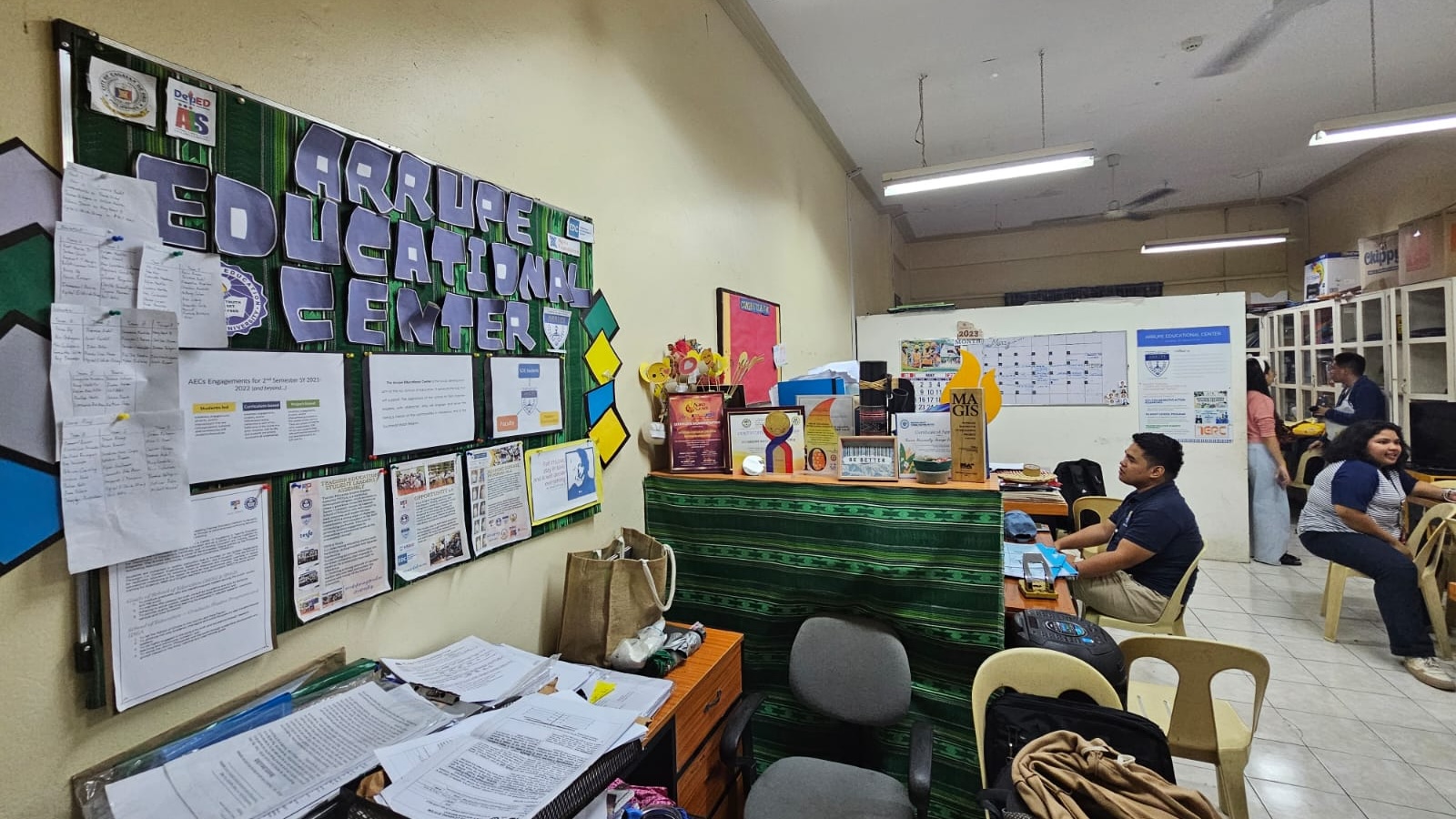
Xavier University School of Education’s Arrupe Education Center (AEC) launched the Night School Program (NSP) in 2016 as part of the university’s Office of Social Development cluster. The AEC facilitates the community engagement of School of Education (SOE) students, and the NSP serves as a key initiative where SOE students volunteer and teach.
The NSP adapts the Philippines Department of Education’s Alternative Learning System (ALS) curriculum, preparing learners for the Acceleration and Equivalency Test, which provides an alternative path to school-level certification. The program enrolls out-of-school youth and adults from Cagayan de Oro City, many of whom are in street situations or in conflict with the law. Depending on their prior education, learners prepare for one year before taking the test for either primary (first to fifth grade) or junior-high school (sixth to eighth grade) certification. Since the COVID-19 pandemic, this test has been replaced by a final portfolio submission reviewed by Department of Education (DepEd)-assigned ALS teachers. Successful completion allows students to reintegrate into the formal education system.
While ALS is available in public schools and education centers nationwide, Xavier University is one of the few higher education institutions—and the only one in the Ateneo network—to offer it. Unlike typical ALS centers, which hold classes every other day during school hours and follow a narrow curriculum, the NSP offers daily evening classes with both ALS teachers and volunteer SOE students. Beyond the standard curriculum, the NSP provides leadership training, arts and culture, computer skills, and sports, fostering holistic development in alignment with Xavier University’s Jesuit mission.
Investigating the NSP: Objectives, Questions, and Research Approach
This study situates the Night School Program at Xavier University as an alternative education initiative for out-of-school youth and adults. My research explores how local and national stakeholders collaborate to sustain the program and examines its impact through the experiences of those directly involved—volunteer teachers from the School of Education and past and present NSP students.
To understand these dynamics, my research addresses the following questions:
- How do local and national stakeholders coordinate efforts to support the NSP's operation and growth?
- In what ways does the volunteer-driven model contribute to the program’s educational and social mission?
- How do the experiences of volunteers and learners reflect the program’s impact?
Methodologically, I conducted in-depth, semi-structured interviews with leadership from the Arrupe Educational Center, Xavier University (XU), the SOE, and partners from the local government unit and the Department of Education’s Alternative Learning System office. I also interviewed SOE student volunteers and current and former NSP learners. Over three weeks of fieldwork, I observed daily NSP classes and visited other ALS centers in the city to compare implementation and impact.
By focusing on these aspects, this study aims to highlight the work being done at Xavier University and explore the broader implications of alternative education interventions.
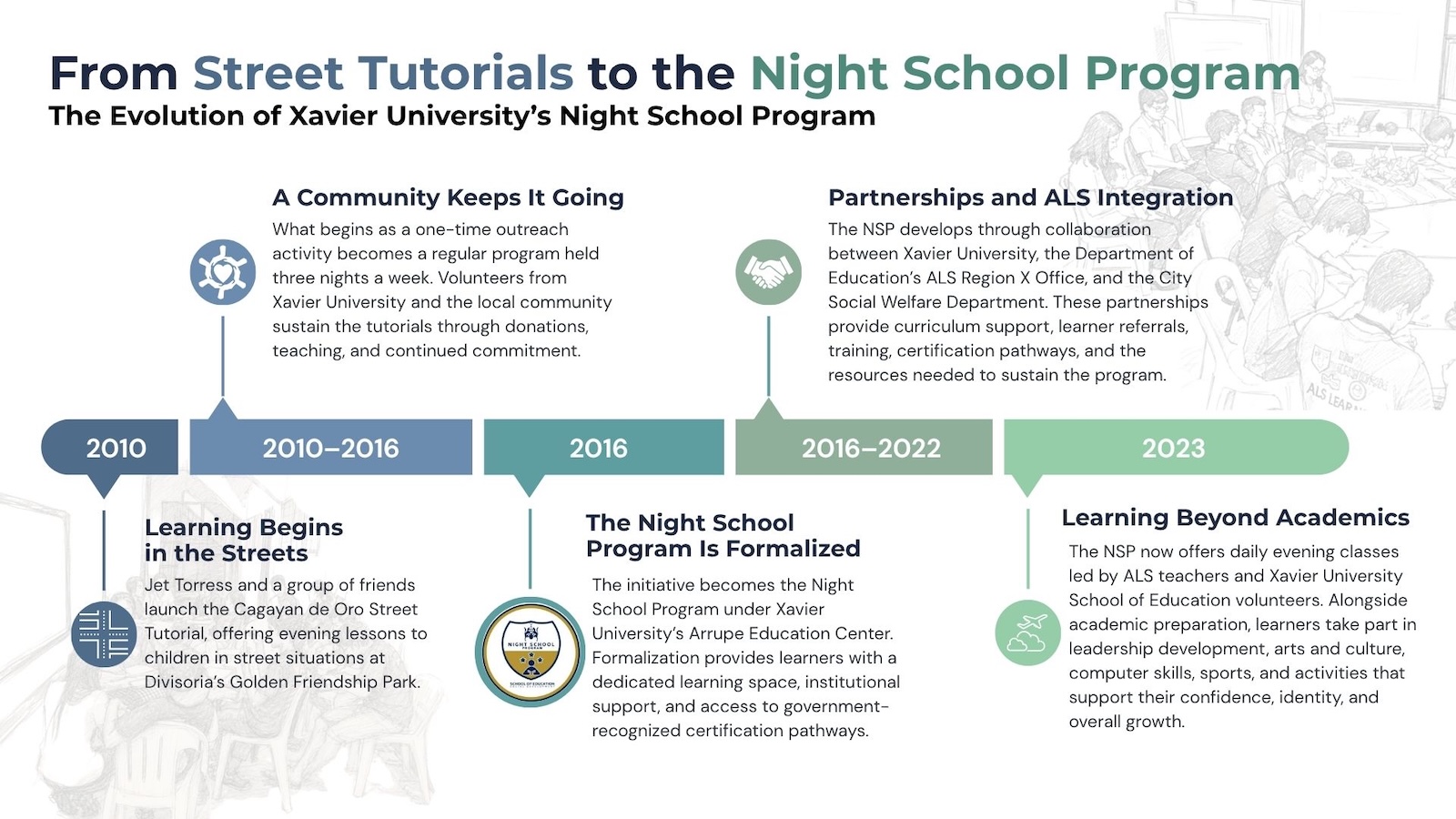
Figure 1: This timeline traces the growth of Xavier University’s Night School Program from volunteer-led street tutorials in Divisoria in 2010 to a formalized, university-based Alternative Learning System program offering holistic education through community partnerships.
Alt text: Horizontal timeline titled “From Street Tutorials to the Night School Program: The Evolution of Xavier University’s Night School Program.” The timeline includes five stages. In 2010, Jet Torress and friends begin evening lessons for children in street situations at Divisoria’s Golden Friendship Park. From 2010 to 2016, volunteers from Xavier University and the local community sustain the tutorials through donations, teaching, and continued commitment. In 2016, the initiative is formalized as the Night School Program under Xavier University’s Arrupe Education Center, providing a dedicated learning space, institutional support, and access to recognized certification pathways. From 2016 to 2022, the program develops partnerships with Xavier University, the Department of Education’s ALS Region X Office, and the City Social Welfare Department, supporting curriculum delivery, referrals, training, and certification. By 2023, the program offers daily evening classes led by ALS teachers and School of Education volunteers, alongside leadership development, arts and culture, computer skills, sports, and other activities supporting learners’ confidence and overall growth. (Source: Pragyan Kumar Acharya)
Before being formalized under the Arrupe Education Center (AEC), the Night School Program (NSP) began as a grassroots effort. In 2010, Jett Torress, the NSP’s founder, and his friends initiated the Cagayan de Oro Street Tutorial, offering evening lessons to street children in Divisoria, just meters from the university. What started as a one-time outreach activity evolved into a sustained effort, held three nights a week, supported by volunteers from Xavier University and the local community.
Reflecting on the program’s beginnings, Jet recalled, “We realized that we would have to continue. If we continue, then, we will ask other volunteers to join us,” (Interview, May 18, 2023). With donations and community support, the tutorials continued for six years.
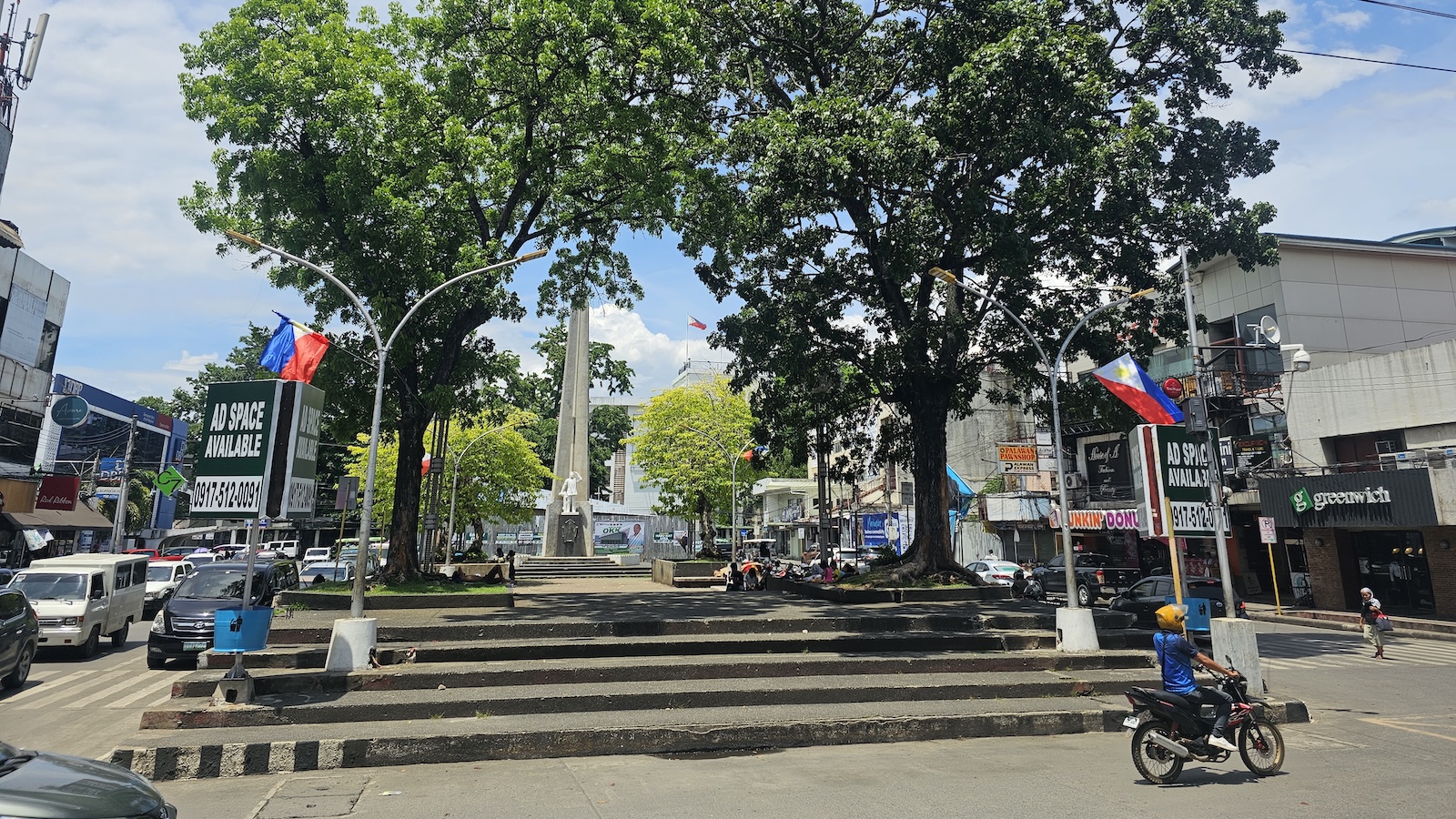
Figure 2: The Golden Friendship Park in Divisoria, around 200 meters from the Xavier University compound. The Cagayan de Oro Street tutorials, the precursor to the formal Night School Program, started from here. Tutorials were conducted in the footsteps and periphery of the park, before being formalized through the NSP and moved to Xavier University premises. (Source: Pragyan Kumar Acharya's personal photos)
As part of his graduate education at Xavier University, Jett designed a curriculum and proposal for NSP to be placed under the AEC. This formalization, once implemented, ensured learners had a dedicated space, institutional backing, and access to government-issued certifications, allowing them to pursue formal education pathways.
Discovering the Impact: Key Lessons from the NSP’s Journey
In this section, I explore how the NSP intervenes in the lives of out-of-school youth and adults, equipping them with vital life skills and reintegrating them into the formal education system. I begin with the spirit of volunteerism that underpins the NSP, examining how SOE students play a central role in the program’s day-to-day operations and instruction. I then discuss the importance of local coordination, highlighting the partnerships that enable the program to reach and support its learners. Following this, I analyze how the NSP stands out as a holistic adaptation of the Alternative Learning System, offering experiences beyond the standard ALS model. Lastly, I explore how the NSP serves as a practicum space for SOE students, addressing gaps in formal teacher training—particularly the absence of ALS teaching in the SOE curriculum across the Philippines.
Throughout this report, I examine the program’s successes, challenges, and areas for further development to strengthen its sustainability and impact.
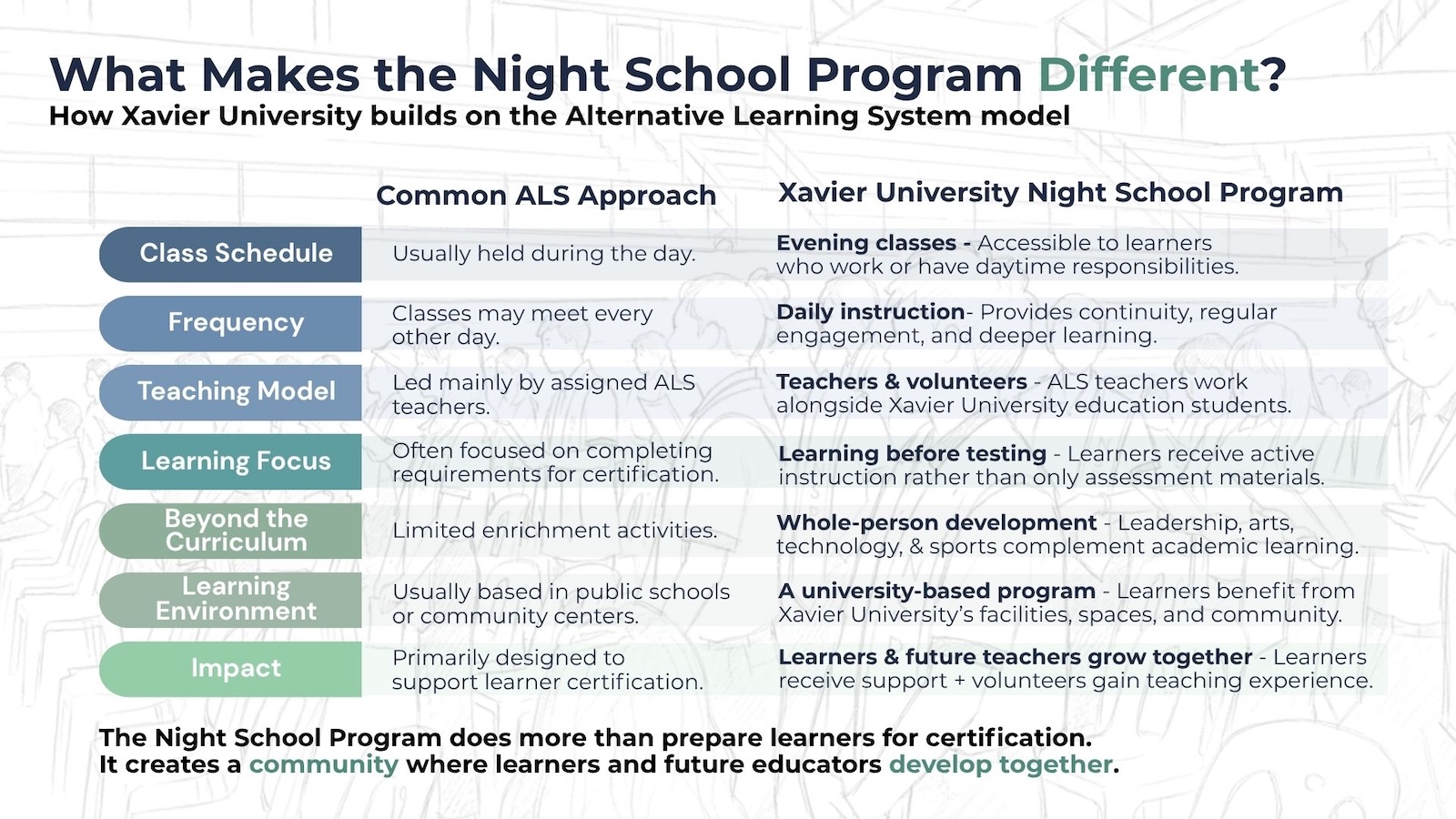
Figure 3: This infographic shows how Xavier University’s Night School Program builds on the Alternative Learning System model through evening classes, daily instruction, volunteer educators, whole-person development, university resources, and learning opportunities for both learners and future teachers.
Alt text: Comparison infographic titled “What Makes the Night School Program Different? How Xavier University builds on the Alternative Learning System model.” Seven aspects compare a common ALS approach with Xavier University’s Night School Program. Common ALS classes are usually held during the day, while the Night School Program offers evening classes for learners with work or daytime responsibilities. Common ALS classes may meet every other day, while the Night School Program provides daily instruction. Common ALS instruction is led mainly by assigned ALS teachers, while the Night School Program combines ALS teachers with Xavier University education student volunteers. Common ALS programs may focus mainly on completing certification requirements, while the Night School Program emphasizes active learning before testing. Common ALS programs may offer limited enrichment activities, while the Night School Program includes leadership, arts, technology, and sports. Common ALS programs are usually based in public schools or community centers, while the Night School Program operates within Xavier University and gives learners access to university spaces, facilities, and community. Finally, common ALS programs primarily support learner certification, while the Night School Program supports learners and gives future teachers practical classroom experience. A concluding statement reads: “The Night School Program does more than prepare learners for certification. It creates a community where learners and future educators develop together.” (Source: Pragyan Kumar Acharya)
Volunteerism as the Backbone: The Role of SOE Students in the NSP
Volunteerism is the foundation of the Night School Program (NSP). The program would not function without the commitment of SOE students, who take on both instructional and administrative responsibilities. At NSP, volunteerism is more than just an extracurricular activity—it is an expression of social responsibility deeply rooted in the Jesuit values of Xavier University. In this section, I explore the structure of volunteerism at NSP, the motivations that drive students to participate, and how their experiences shape both their personal and professional growth.
The NSP follows a structured volunteer model, ensuring that students gradually take on responsibilities suited to their abilities. Volunteers are assigned to subject areas (such as math or science) or departments (such as arts and culture or sports), with more experienced students leading their peers. Fourth-year volunteer Crysvenne Perez Bislig explained how volunteers are given roles based on their readiness: “We don’t want them [volunteers] to be exposed to roles that they are not prepared for… We strengthen their strengths and turn their weaknesses into strengths, and hopefully, after some time, we upgrade their tasks,” (Interview, May 8, 2023). This gradual integration builds confidence while ensuring the program maintains its quality. As new volunteers learn from senior peers, they develop not only teaching skills but also leadership abilities.
Beyond structure, volunteerism at NSP is sustained by deeply personal motivations. Many students described their participation as a moral obligation, a way of giving back to the community and using their education for the greater good. Fourth-year volunteer CN Emborong reflected, “I think, for me, volunteerism is one of our responsibilities as humans… If you are here on Earth, you have to give something to others,” (Interview, May 11, 2023). For CN and many others, NSP is not just about teaching lessons—it is about forming meaningful connections and acknowledging their role in building a more just society.
This sense of duty is reinforced by the relationships volunteers build with their learners, many of whom they encounter in everyday life. Fourth-year volunteer Norman Calib described how seeing NSP learners outside of the classroom deepened his commitment: “I meet these learners on the streets… Some of them are street children. This is something that angers me as a student, as a member of the community… Before I leave this university, I want to know I’ve helped at least one soul,” (Interview, May 11, 2023). For Norman and other volunteers, their work at NSP is not separate from their daily lives—it is an extension of their identity as members of the community.
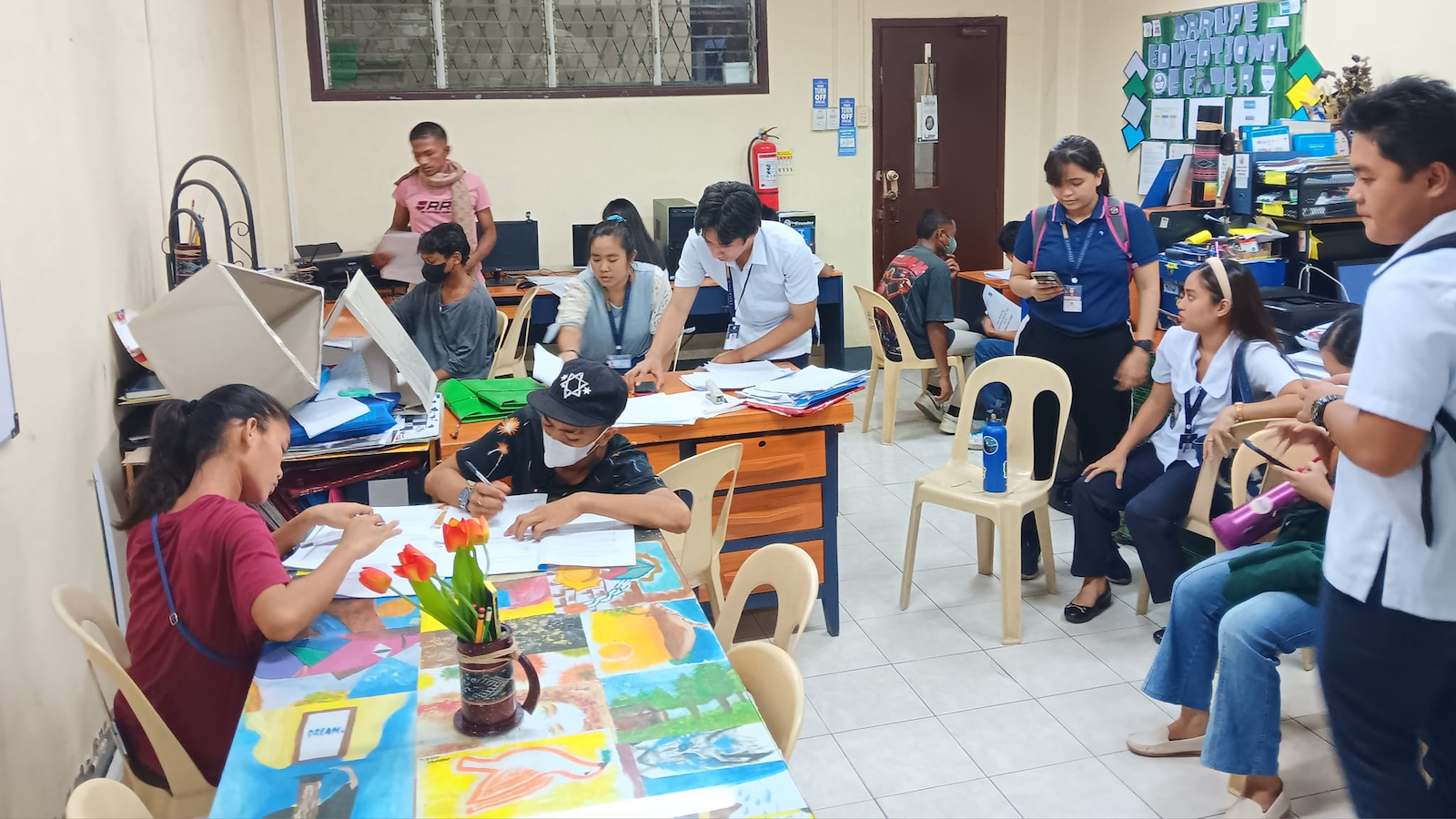
Figure 4: The one-room Arrupe Education Center (AEC) office at Xavier University, as learners work with volunteer teachers to complete their worksheets before evening classes. The AEC office is a space where volunteer teachers socialize, engage in programming with AEC administrators, and also work with learners. The room has a small pantry space in the back where AEC Staff, NSP volunteer teachers, and learners share meals. (Source: Pragyan Kumar Acharya's personal photos)
The Jesuit values embedded in Xavier University’s mission also shape volunteers’ experiences at NSP. Many students cited cura personalis, magis, and being "men and women for others" as guiding principles in their decision to volunteer. Senior volunteer Jose Rowel shared how Jesuit teachings helped him persevere:
It’s really difficult because I am a college student… But I always go back to what Father Pedro Arrupe said: ‘Fall in love, stay in love, and it will decide everything.’ That’s one of my greatest motivators when I feel overwhelmed (Interview, May 8, 2023).
For many, NSP is not just an opportunity to serve—it is a way to embody the values they have been taught. The program offers a space where they can apply these principles in real, tangible ways, reinforcing their commitment to both education and community service.
Beyond personal motivation, the culture of care at NSP sustains volunteer engagement. Volunteers frequently spoke about the support they received from their peers and the program’s administrators, particularly from Ismael Salarda (director of AEC) and Natalie Grace Elena (NSP project staff). The environment at NSP goes beyond professional collaboration—it fosters a sense of family. Volunteer teacher Patricia described how the NSP community provided her with emotional support: “Sometimes when things get heavy, that’s really personal… I would wake up at 12:00 a.m., midnight, and call Ma’am Nat, crying my eyes out, and Ma’am Nat would just listen to me… Our relationship goes beyond campus life,” (Interview, May 9, 2023). This deep sense of belonging ensures that NSP is not just a program—it is a home where students feel valued and supported.
The dean of the School of Education, Edralin Manla, captured this connection between NSP and Xavier University’s larger mission:
Well, it's a living legacy of the mission that 'men and women for others,' magis… Serving the peripheries. It's all there. Yeah, it's all there, really, in the Night School Program (Interview, May 16, 2023).
Her words reinforce how deeply NSP is tied to the university’s vision, serving not just as an academic initiative but as an extension of Xavier University’s commitment to education, service, and community engagement.
For many volunteers, the NSP experience is transformative. It deepens their sense of responsibility, builds their resilience, and prepares them for future roles as educators and community leaders. At the same time, the program itself thrives because of the passion, dedication, and relationships that volunteers bring into it.
The NSP is both a space for learning and a community of shared purpose, where students come together to make an impact—on their learners, on each other, and on themselves.
Weaving Community: The Threads of Local Coordination in the NSP
Local coordination sustains the Night School Program. The program is a partnership between Xavier University, the City Social Welfare Department (CSWD), and the Department of Education's Alternative Learning System Region X Office. At various times, it has also received support from local government units and private donors. This collaboration is essential to ensuring that the NSP can effectively serve its learners and expand its reach.
One key partner is the ALS Region X Office, which funds the NSP due to its implementation of the ALS system. Dr. Butch Mahinay, the ALS Region X coordinator and a former faculty member of Xavier University, highlighted the office’s role in creating novel learning activity sheets, providing training for ALS teachers, and pioneering ALS at the senior high school level. While acknowledging the NSP’s management, Dr. Mahinay also saw opportunities for the program to leverage university facilities and increase enrollment. As he explained:
And my challenge for them is to increase the number of learners that they can accommodate… because, if I’m not mistaken, they are handling 40 right now. And, for me, it’s a wasted opportunity for them to handle only 40. I hope they can increase that number, hopefully, to a hundred… Hopefully, they can offer ALS senior high school this opening of the school year... That is another challenge that I’m giving them because they already have what they need. So, I told them, you are very blessed already with these facilities, so please increase your capacity (Interview, May 16, 2023).
NSP administrators informed me that they are brainstorming the possibility of setting up an ALS senior high school section, though they are constrained by the availability of space and volunteers.
Similarly, the City Social Welfare Department (CSWD) has played a critical role in the NSP’s development. The CSWD sees the NSP as a strategic initiative to address the challenges faced by youth and adults in street situations. Norhidaya Hadji Sarip, an officer at CSWD, shared that her office has been involved with the program since its inception. The CSWD not only funds the NSP but also operates a referral system, directing out-of-school youth and adults toward enrollment.
We encourage them (people in street situations) to continue with their school. Some of them really expressed and disclosed that, ‘I’m too shy to return because of the age gap.’ Some of them disclosed that they do not want to be bullied in the formal school… So, that’s the reason why… we let them learn that we have the existing program, the Night School Program (Interview with Norhidaya Hadji Sarip, May 17, 2023).
Ms. Sarip further explained that because NSP classes run at night, learners can work during the day, making the program more accessible. The referral system is crucial in reaching those who might otherwise remain excluded from the educational process.
The partnership between Xavier University, the CSWD, the ALS Region X Office, and other local stakeholders is not just about resource sharing—it is about creating a sustainable solution for those locked out of formal education opportunities.
So, compared to other alternative learning systems that are being offered here, especially in Cagayan, the Night School Program really focuses on teaching, unlike other ALS alternatives where they would focus directly on the testing, on whether the students are able to answer particular tests. The Night School Program really wants to ensure that the volunteers truly teach before they test the students’ knowledge, and that compared to other alternative learning systems being offered, the Night School really offers programs that emphasize learning (Interview, May 17, 2023).
Dr. Butch Mahinay, the ALS Region X Coordinator, similarly highlighted the unique positioning of the NSP:
If you try to look at how they [NSP] implement ALS, it’s very holistic. I think it’s because of the facilities that they have inside. They could do games because they have a gymnasium, they have courts, so they have the facilities to do it. And their learners also have exposure to arts, to dance, because they have little theaters (Interview, May 16, 2023).
Unlike other ALS centers, which are usually located in public schools with limited resources, the NSP benefits from being housed within a university setting, granting learners access to better facilities and diverse extracurricular opportunities.
Beyond academics, the NSP provides leadership development, cultural enrichment, and sports programs, which give learners opportunities to develop skills beyond the traditional ALS curriculum. Patricia Comaling, a third-year volunteer, shared how her role as head of the cultural arts department allowed her to connect her heritage with her teaching: “I was actually asked if I would be willing to be the head of the cultural arts department. And the reason why I said, 'yes...' I didn’t really think twice because, first and foremost, I’m part of the indigenous community… Culture and arts, it’s not something that you need to graduate. No, it’s not a requirement. But I think it’s a requirement for you to really know who you are,” (Interview, May 9, 2023).
For current and former learners, these supplemental programs have been some of the most impactful aspects of their NSP experience. Many spoke about how arts, leadership training, and sports activities gave them space to showcase their talents and develop confidence in ways they had not experienced in traditional school settings.
In summary, the NSP at Xavier University stands out as a holistic adaptation of the ALS, providing not only the academic rigor needed to pass certification exams but also fostering learners’ overall development. Through the integration of Ignatian pedagogy, extracurricular enrichment, and access to university resources, the NSP offers an educational experience that is both comprehensive and deeply rooted in the Jesuit tradition.
Learning by Doing: The NSP’s Impact on Teacher Education
The Night School Program (NSP) serves as a practicum space for SOE students, providing them with the opportunity to apply teaching theories and methodologies in a real-world, multi-grade learning environment. While the NSP offers invaluable hands-on experience, this section also examines gaps in formal teacher training, particularly the absence of ALS teaching in SOE curricula across the Philippines.
For many SOE students, the NSP is more than just a volunteer opportunity—it is where they begin to bridge the gap between theory and practice. Roy, a third-year volunteer, reflected on this connection: “I want to do my practice of teaching, and also, I want to actualize what I am learning as a student of XU. So, I think the program gives me an avenue or opportunities to really practice those skills,” (Interview, May 14, 2023).
Teaching at NSP differs significantly from traditional student-teaching placements. Volunteers work in multi-grade ALS classrooms, engaging with learners who vary widely in age and academic background—some even older than the teachers themselves. Tyler, a third-year volunteer, highlighted this challenge: “In the first year of education, you will really encounter many theories… But when you are on [the] field, especially here in the Philippines, it’s really quite hard to stick with those ideologies. Because in the field… the moment that you set foot in the classroom, the tension… it’s always tension—what will you do? And sooner or later, you cannot apply all these theories because it’s, like, more practical,” (Interview, May 12, 2023).
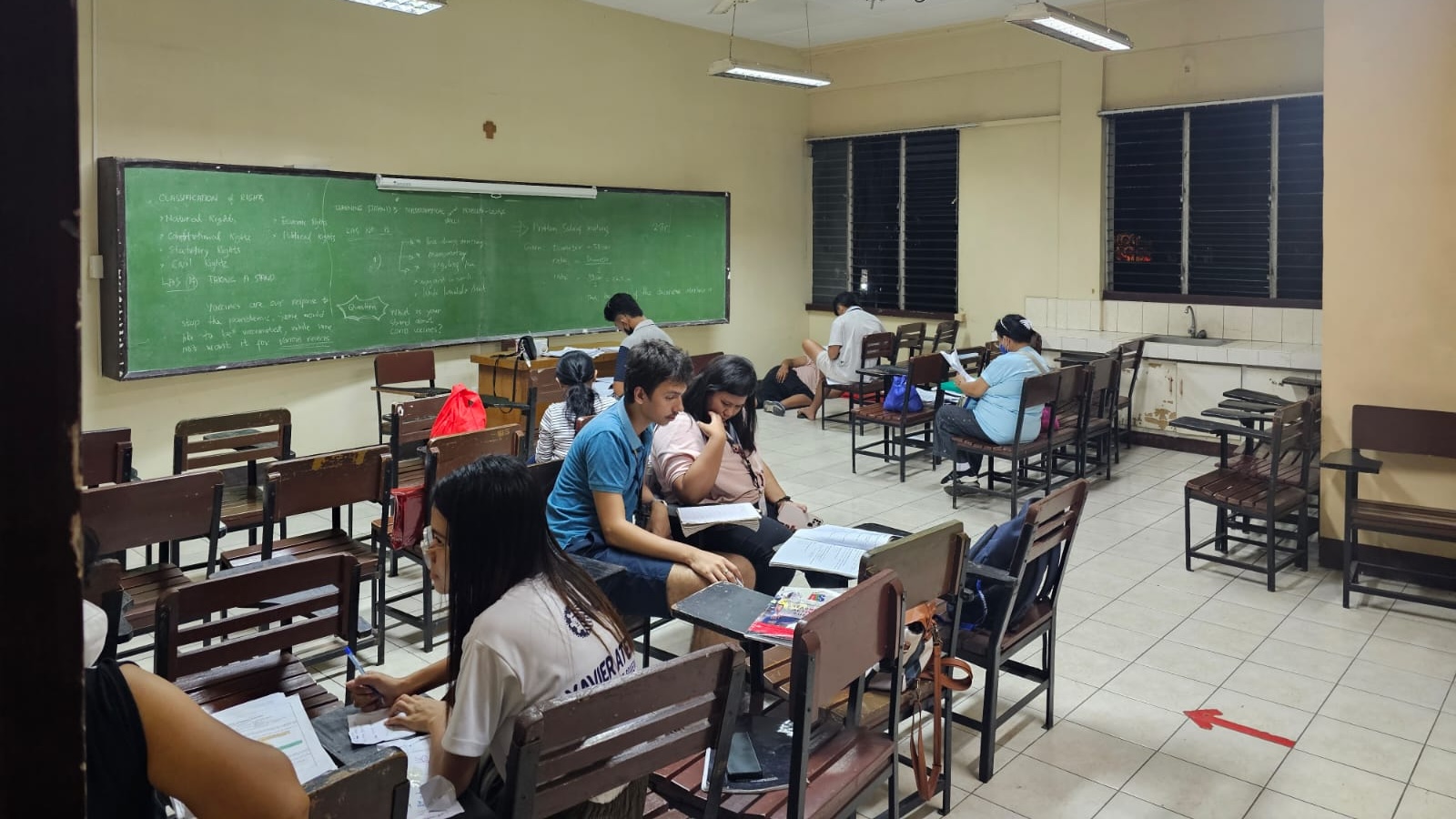
Figure 5: NSP volunteer teacher, Tyler (pictured in a blue polo shirt), conducting math classes with NSP junior high school track learners. (Source: Pragyan Kumar Acharya's personal photos)
Despite the Philippine government’s formalization of ALS, teacher preparation programs do not train students to teach in ALS settings. Dr. Edralin Manla, dean of SOE, acknowledged this gap:
Are they also prepared to teach ALS? Yes. I don’t think it’s specifically intended for ALS, although we have in the course multi-grade teaching. So, what I’m taking down note is with the crafting of the revised syllabus for the multi-grade part; it should be with the Night School Program, I think (Interview, May 16, 2023).
While NSP provides practical exposure to alternative education, volunteers are still required to complete mandatory teaching internships in public schools, limiting their ability to fully engage with the program. Dr. Butch Mahinay, ALS Region X coordinator, emphasized how this lack of formal ALS training affects teachers:
It’s [ALS] not part of the teacher preparation program in colleges and universities. So, therefore, our education students have little to no exposure to the alternative learning system. Now, when they apply to DepEd, and they get hired by DepEd, and they will be passed on to us, they will be culturally shocked because they do not know what this Alternative Learning System is about (Interview, May 16, 2023).
Volunteers frequently noted that their NSP teaching experience was as rigorous—if not more so—than their formal classroom internships. However, their work at NSP remains uncredited in SOE requirements. Many expressed the need for ALS teaching to be formally integrated into the SOE curriculum, recognizing that alternative education settings demand distinct skills that public school placements do not always develop.
By incorporating ALS-focused training into teacher education programs, Xavier University has the opportunity to better equip future educators for the realities of alternative learning systems, bridging a critical gap in national teacher preparation.
Concluding Thoughts: The NSP’s Role in Education and Community
Overall, the Night School Program exemplifies a volunteer-based program that is embedded in and serves the community around it. It is organized in collaboration with stakeholders from within the university, the city, and the Department of Education, and, as such, can rope in the resources necessary to reach out to learners from around the community. Crucially, the students from the School of Education, in teacher education programs, provide support to the administrators and DepEd-assigned ALS teachers, and supplemental instruction to the learners. Thus, in relation to other ALS centers in the country, the NSP stands out, for it not only leverages resources provided by the government but also taps into available human and educational resources at the university.
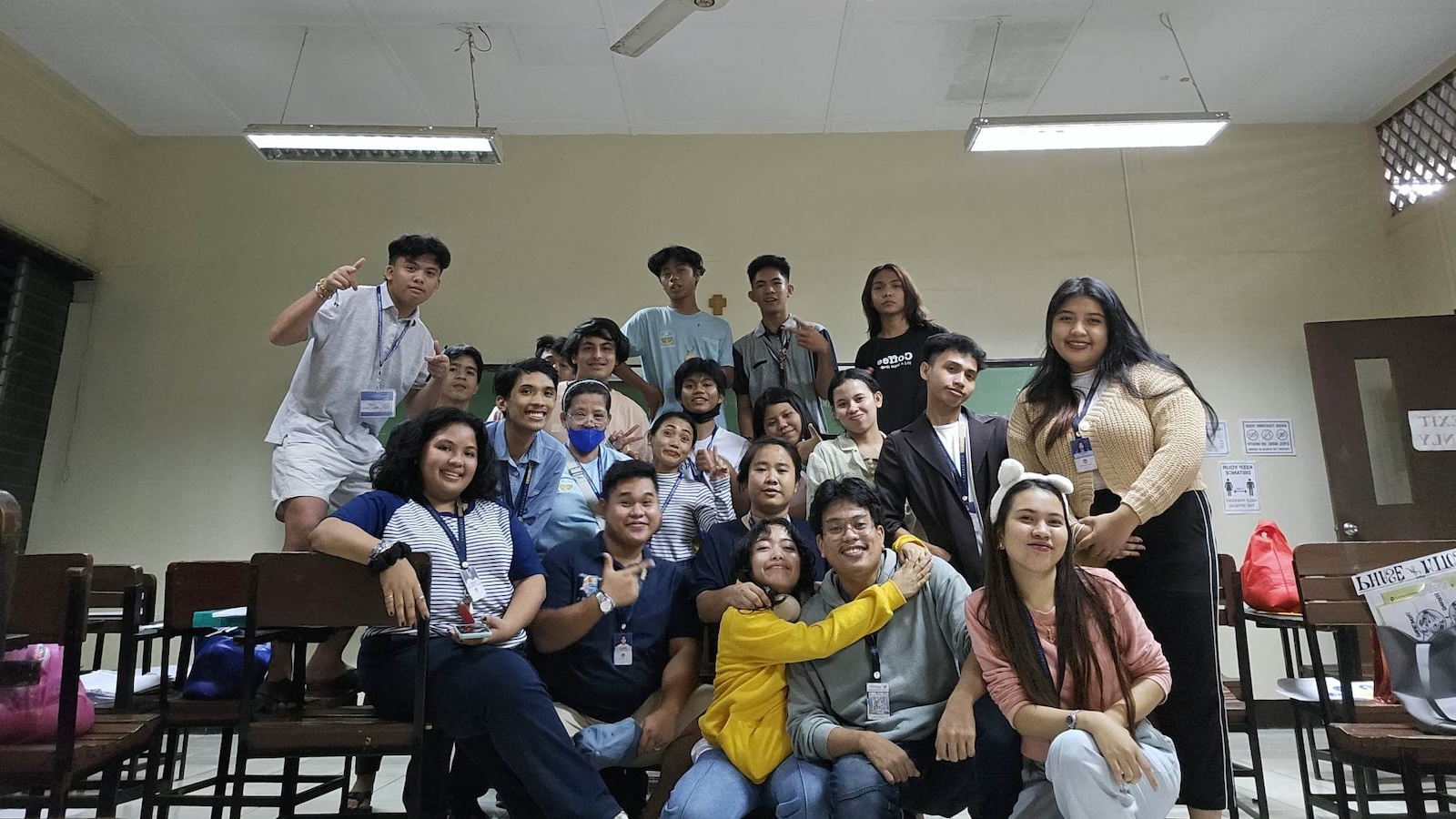
Figure 6: The learners and volunteer teachers from the Night School Program cohort of 2022-2023 with me in a group photo after the end of classes in the evening. (Source: Pragyan Kumar Acharya's personal photos)
It is important to characterize the NSP as serving not just the learners but also the volunteer teachers who are also in the teacher education program at the university. Taking this way, there is work that can be done to further leverage the NSP, enhance volunteer training, and integrate ALS into the formal SOE curriculum. In summary, the NSP pioneers as an imitable ALS center in the Philippines and a ground-up educational intervention aiming to address inequities in access and outcomes of learning globally.
The views expressed in this student research are those of the author(s) and not of the Berkley Center or Georgetown University.