Why We Study Death
Showing the Why We Study Death Video
Friday, March 6, 2026
4:00 p.m. - 5:00 p.m. EST
It is a shared experience across the world to encounter the embodied death of someone significant in our lives or communities. Such experiences engage with the deepest spiritual and religious questions and diverse ways of being in the world. Across traditions, practices of mourning have helped people find meaning in loss and reaffirm bonds of community. How we grapple with death is not only a private matter but also embedded in the communities and institutions that surround us.
This workshop convened experts in the field to ask: how do rituals of mourning help individuals and communities after a death? How does “grief” reshape self-concepts, including that in relation to God, the sacred, and religious beliefs? How do race, gender, legacies of colonialism, and continuing inequalities of power determine who is grievable and who is permitted to grieve publicly, with what social supports, and how religion is involved? And, how can and do communities transform grief into political action, from feminist movements to struggles for civil rights?
Discover similar content through these related topics and regions.


Image Gallery
Image Gallery
/1
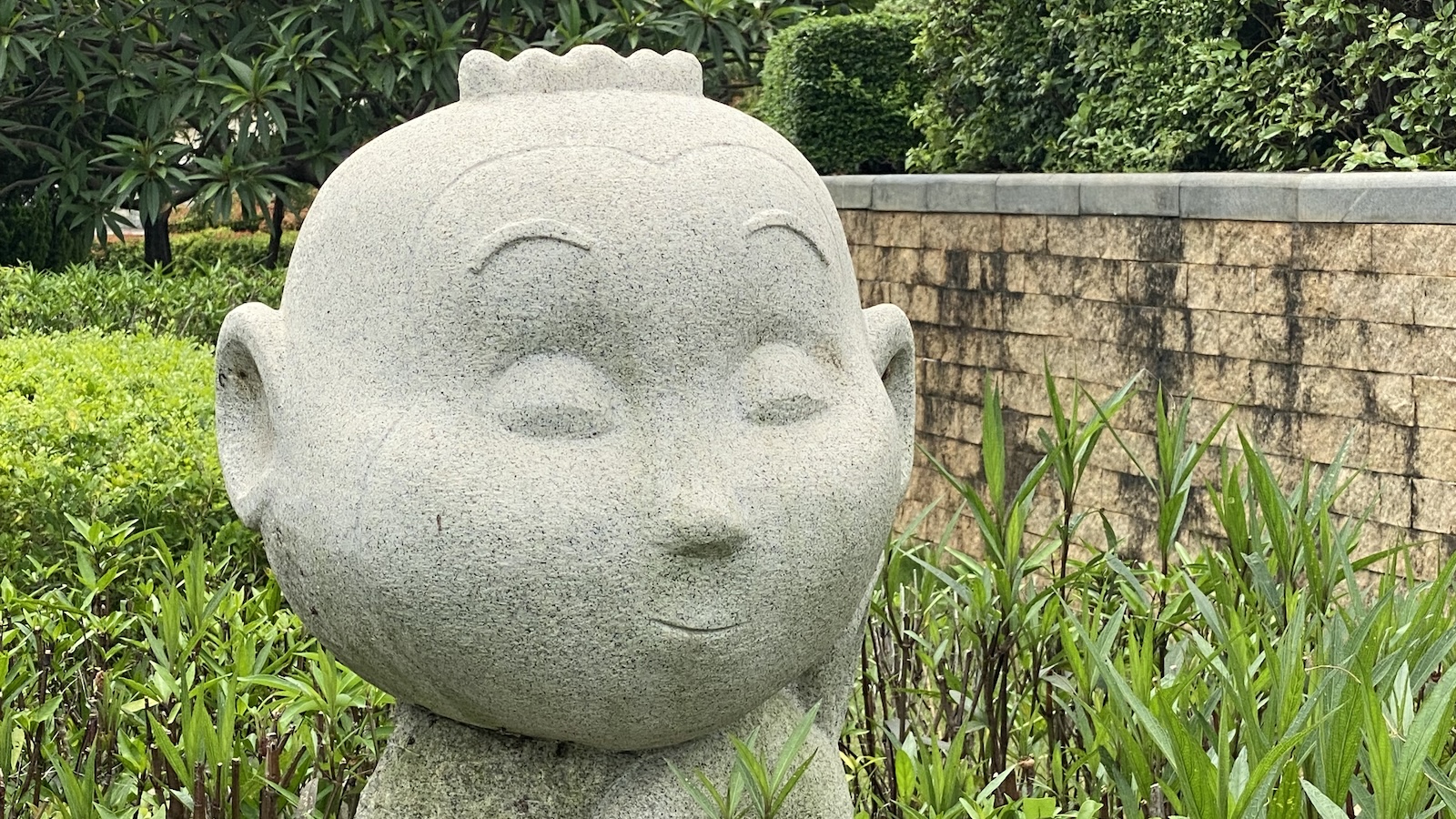
A granite statue of a monkey head in the Wenpushan Cemetary outside of Xiamen, China.