


FEATURE
Raising Religious and Interfaith Voices on the Global Agenda
By: Thomas Banchoff
June 11, 2026


Our current global crises—from war and economic instability to climate change and AI—pose pressing challenges for the world’s most powerful governments organized within the G20. How can religious communities increase their impact around the critical policy issues we face?
The G20 Interfaith Forum (IF20) convened leaders from the worlds of faith and policy in May 2026 to address this critical question. The “Faith for Impact” forum was hosted by Georgetown’s Berkley Center for Religion, Peace, and World Affairs in collaboration with the International Center for Law and Religion Studies at Brigham Young University.
Connecting Ethical Teachings and Practical Experience
Three panels addressed the key themes of the 2026 US G20 presidency: economic deregulation, energy security, and AI innovation. A day of conversation explored how the economic, social, and political dimensions of these issues relate to the ethical teachings and practical experience of the religious communities that encompass three-quarters of the global population.
“Our global polycrisis is deepening,” said Berkley Center Director Thomas Banchoff in his opening remarks. “But it also represents an opportunity—to imagine a new, more stable, more just and more sustainable global order. To think through and work towards a better world.”
The first session, on “Economic Growth for the Common Good,” addressed issues of regulation through a broader conversation about creative ways to combine market reforms with social justice in service to the common good. The second session, on “Energy Security for a Sustainable Future,” explored the experience of religious communities and advocacy around how to best to increase energy production and maintain momentum on climate change. The third session, on “AI Innovation and Human Dignity,” centered on how best to promote AI while serving the common good—a shared concern across faith communities.
Participants in the conversations included Eric LeCompte of the Jubilee USA Network, Mohamed Elsanousi of Network for Religious and Traditional Peacemakers, Azza Karam of Lead Integrity, and Rabbi David Saperstein of the Religious Action Center of Reform Judaism.
In a closing keynote conversation introduced by IF20 Co-chair Cole Durham, Lord Russell Rook of the Good Faith Partnership engaged British Ambassador to the United States Sir Christian Turner in a wide-ranging discussion of challenges and opportunities that religious leaders face in their efforts to shape policy at the national and international level.
“At the center of our efforts are a conviction that faith, religion, and spiritual concerns have vital, constructive roles to play in the central questions facing humanity,” IF20 Co-chair Katherine Marshall reminded the forum participants. “We seek seats at a table or, to be a bit more practical, the many shifting tables where decisions are made and power is exercised. The G20 epitomizes the central table.”
A Yearlong Consultation Process
The forum was part of a yearlong IF20 consultation process to culminate in policy reports and recommendations on the three themes for G20 leaders gathered in Miami in December. The 2026 annual IF20 Forum, a major interfaith gathering, will take place in Salt Lake City, Utah, this October. For updates on that convening and information about previous G20 forums, visit the G20 Interfaith Forum website and sign up for its newsletter.
The draft discussion papers that served as background for the sessions at Georgetown University are available here:
Image Gallery
Image Gallery
/7
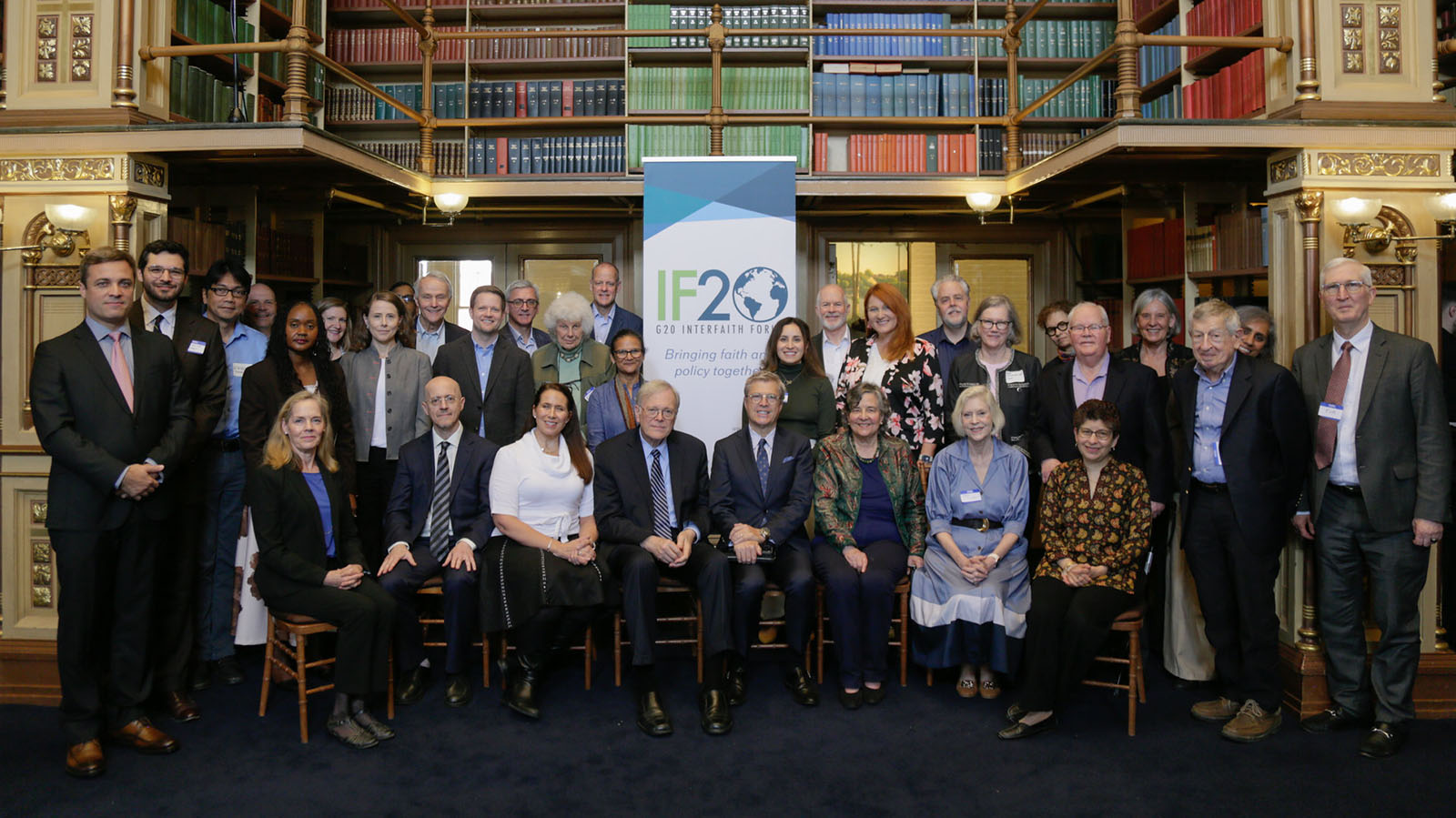
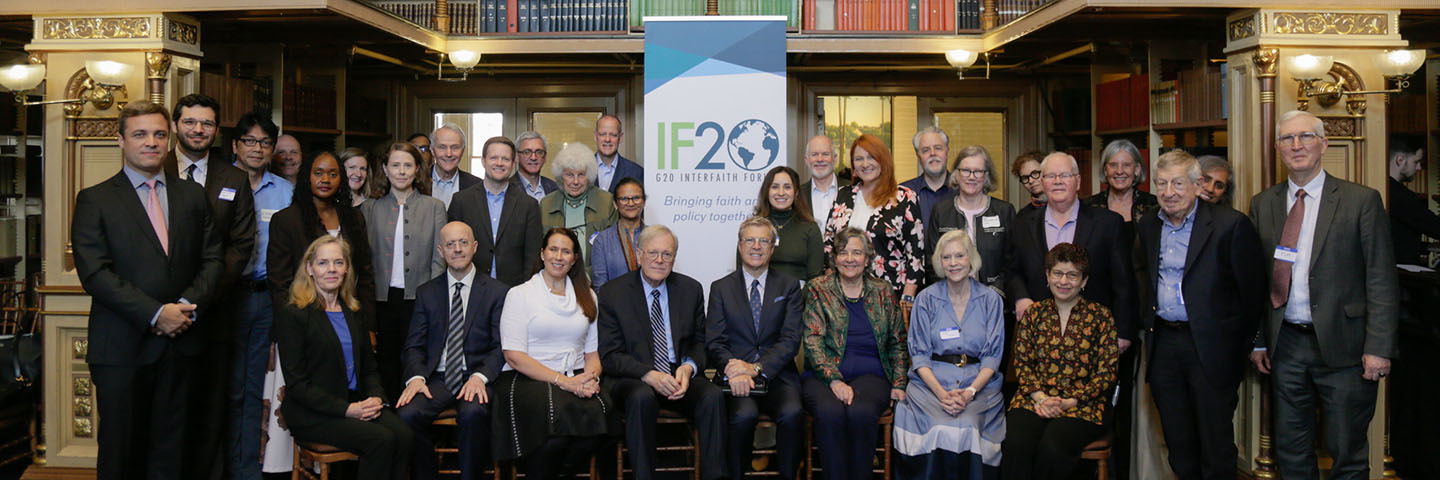
Participants in the G20 Interfaith Forum policy forum and workshop gathered in Georgetown University's Riggs Library
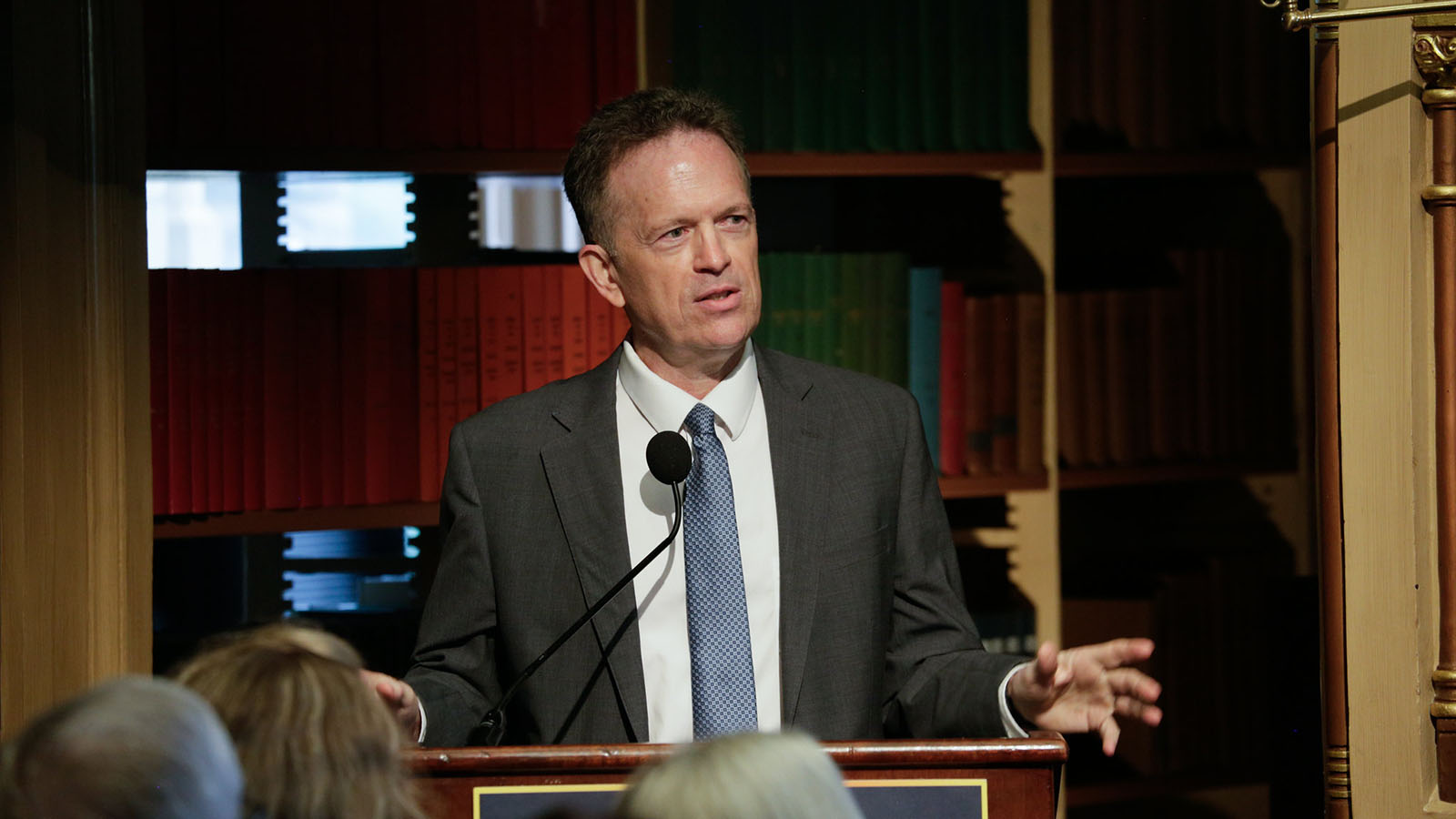
Vice President for Global Engagement Thomas Banchoff offers opening remarks.
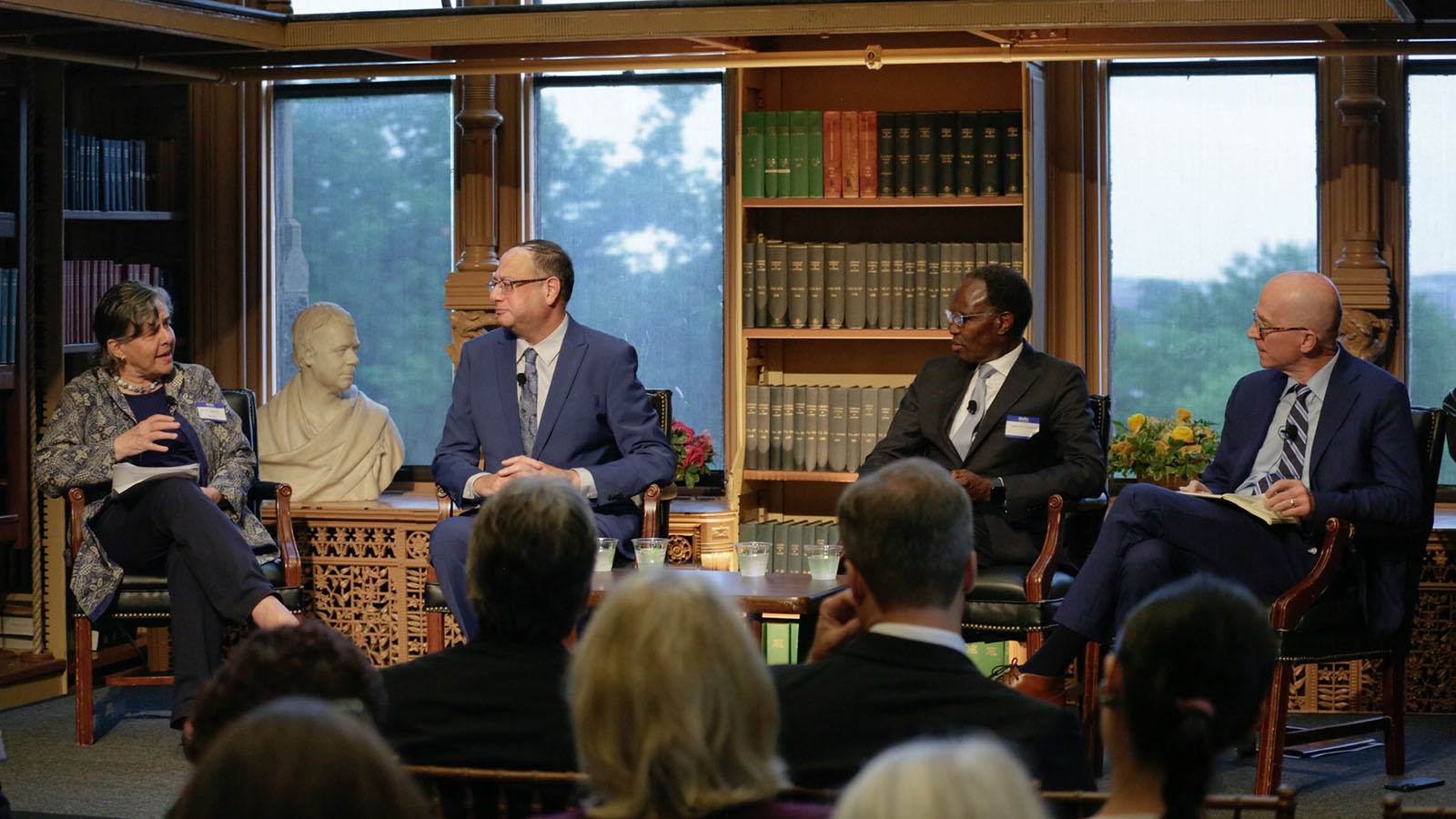
Berkley Center Senior Fellow Katherine Marshall moderates a panel on "Economic Growth for the Common Good"
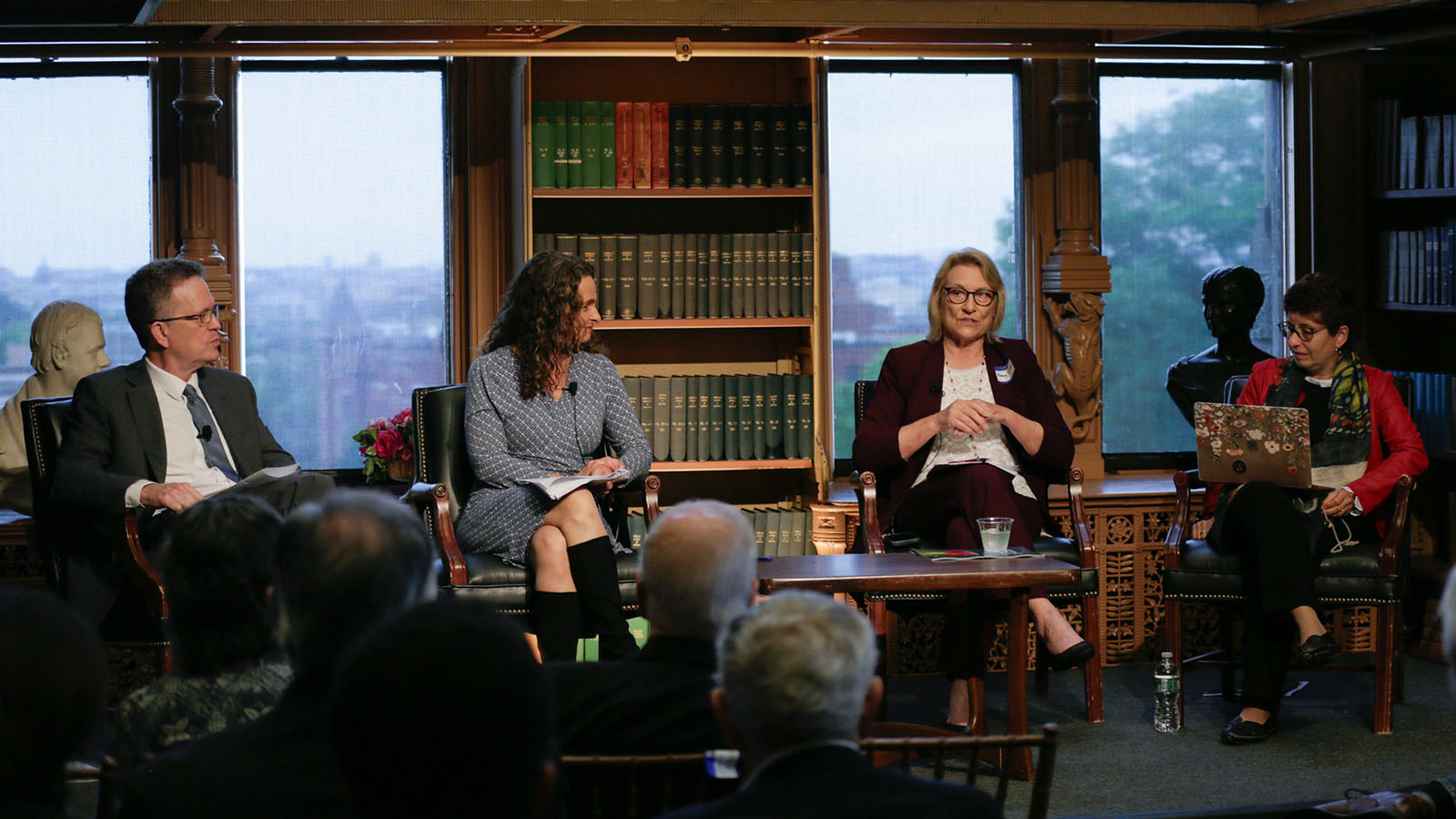
Nancy Tuchman speaks during the panel discussing "Energy Security for a Sustainable Future"
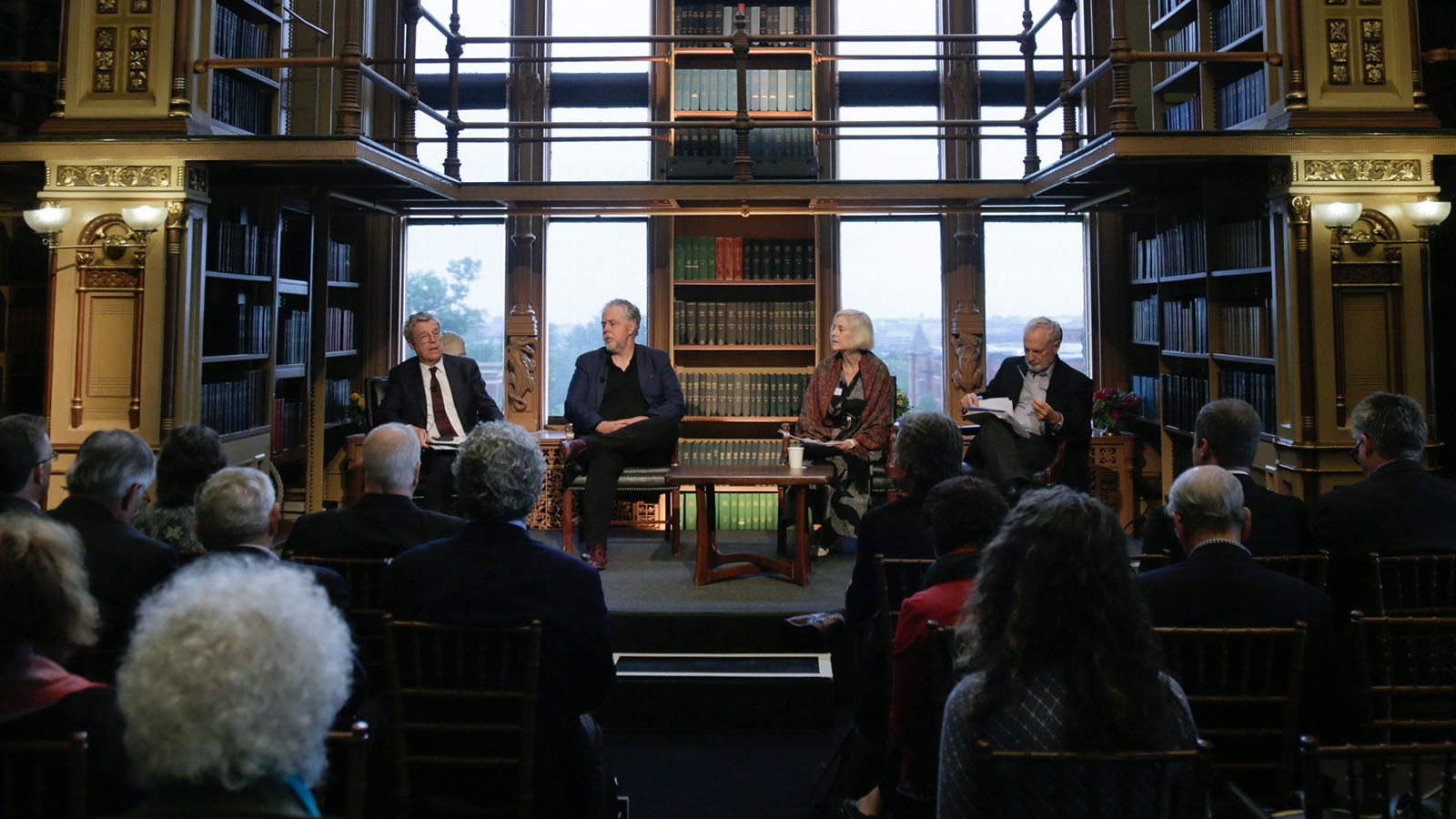
Brett Scharffs opens the panel conversation addressing "AI Innovation and Human Dignity"
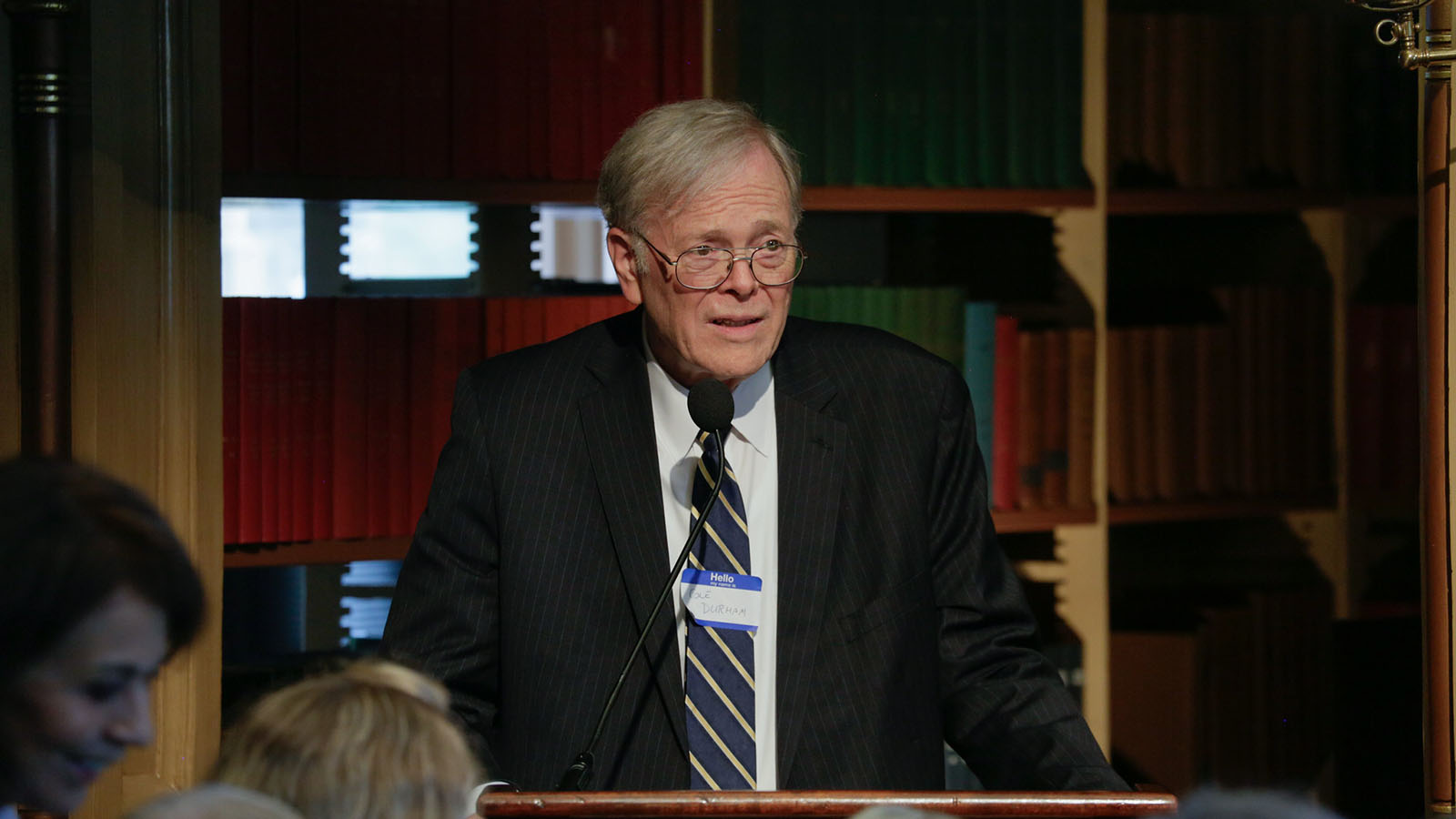
G20 Interfaith Forum President Cole Durham introduces the keynote conversation
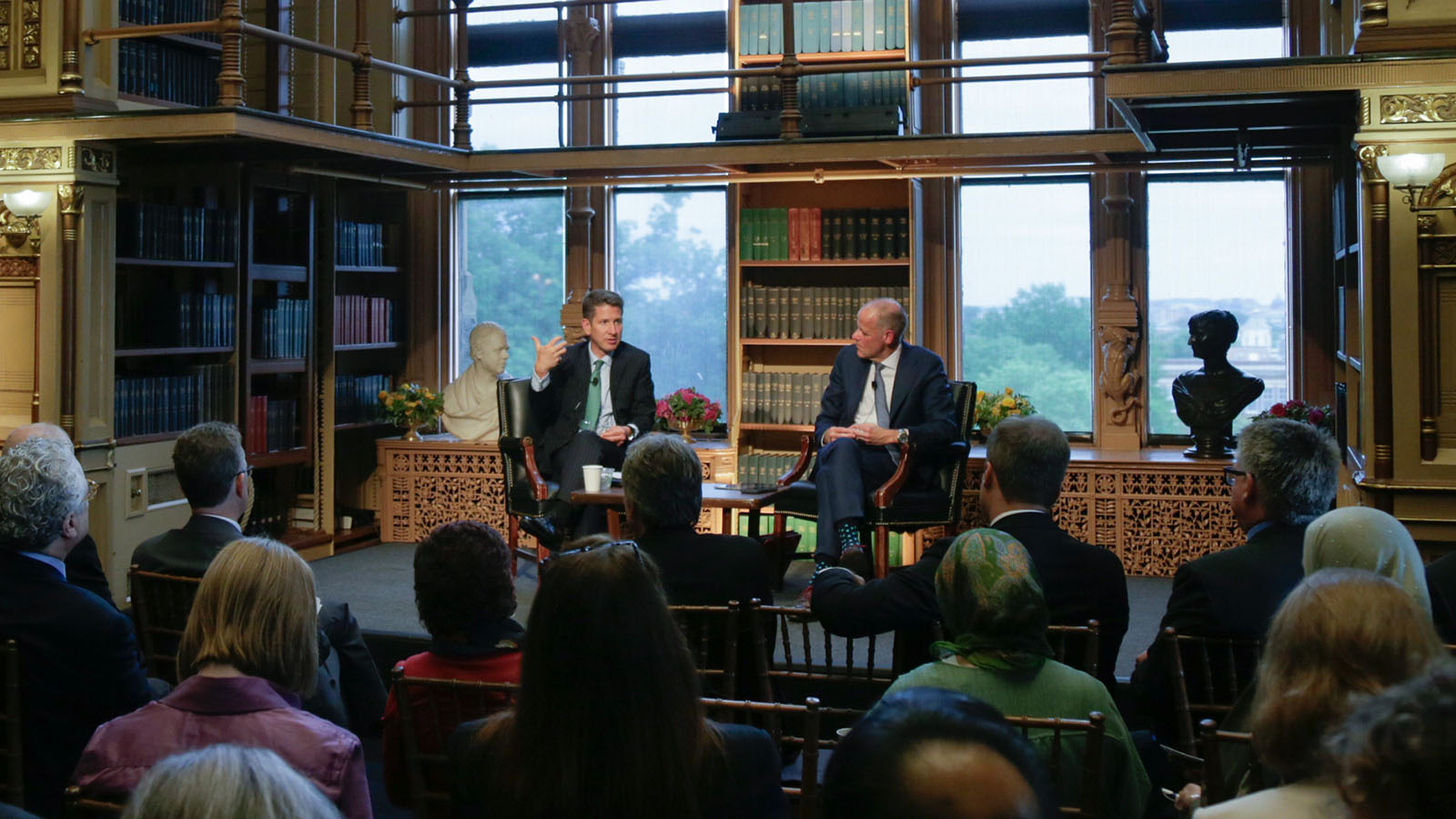
Ambassador Sir Christian Turner and Rev. Lord Dr. Russell Rook discuss faith for impact in the keynote conversation.