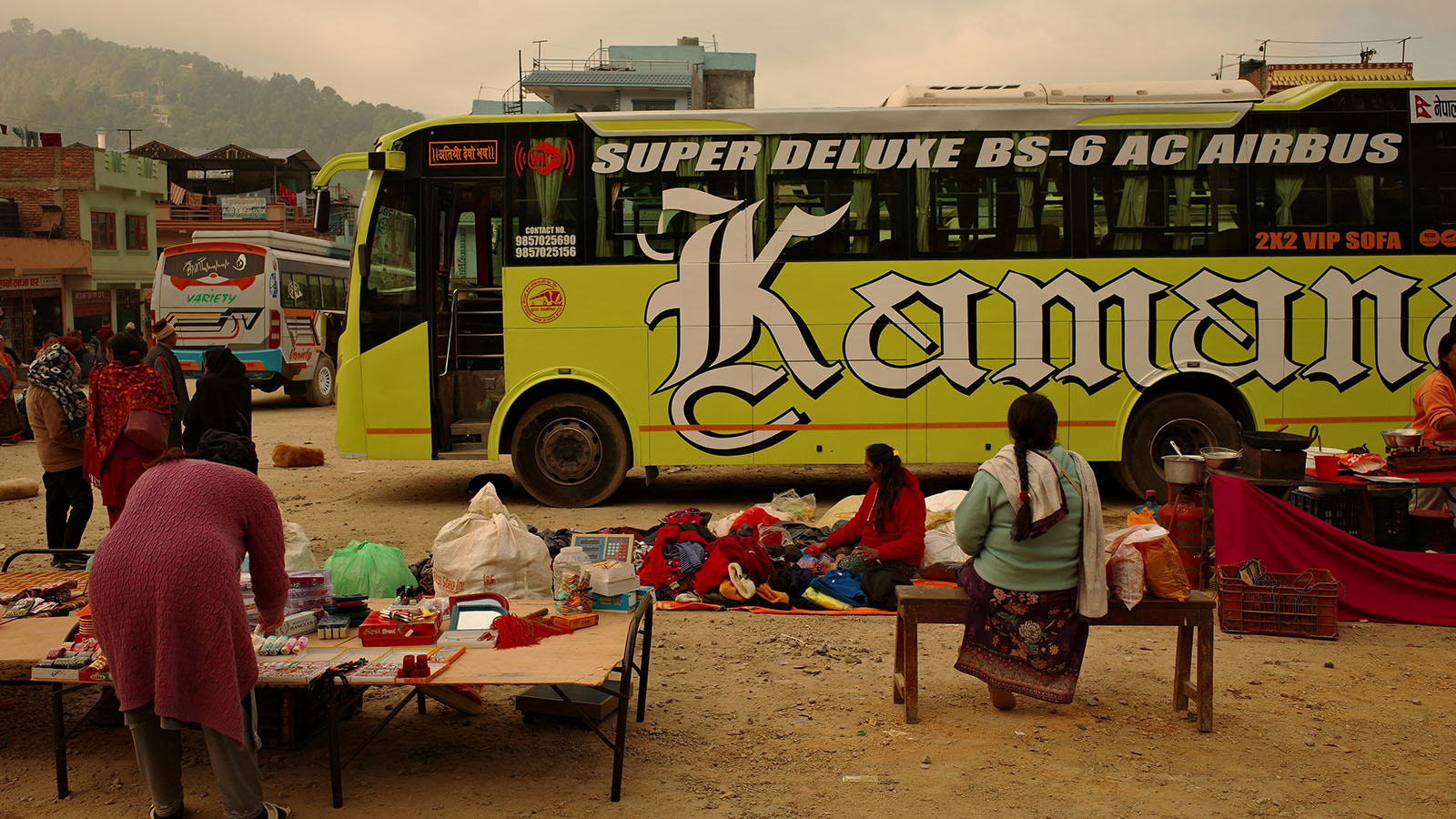
Ethics and International Development in a Turbulent Time
In collaboration with the Berkley Center for Religion, Peace, and World Affairs, this year-long program on ethics and international development in the Global Human Development (GHD) Program invites Georgetown University students, faculty, and staff to reflect on the urgent ethical dilemmas and philosophical challenges posed by an extraordinary time—one characterized by depleted foreign aid and public finances during a time of immense private wealth; a crisis of multilateralism at a time of wars, global unrest, accelerating climate change and demographic shifts; astonishing technological advances and an “age of abundant intelligence” alongside record numbers (and growing numbers) of youth worldwide who are neither in school nor in the labor market.
The implications are profound. How do we preserve multilateral arrangements that have provided the post-war order, have helped secure massive improvements in well-being, but have also reflected some of the world’s deepest injustices and inequalities? What challenges arise from emerging multilateral organizations that reflect a new world order and respective aspirations? What are the new ethical dilemmas created by the acceleration of private sector participation in international development (in financing, strategy, and operations)? How do we engage with faith-based humanitarian and development organizations? How do we harness the enormous potential of artificial intelligence while also minimizing the significant pedagogical and cognitive risks, labor market disruptions and displacement, environmental costs, and information and privacy threats? What are our ethical obligations in development work, accounting for our multiple personal identities?
The program, led by GHD Director Erwin R. Tiongson, will include a series of ethics retreats for members of the GHD community; panel discussions, book discussions, and workshops open to the rest of the university; possibly a new course; and possibly an innovative “global classroom” in virtual conversation with counterpart programs in other universities overseas, including Jesuit universities. It will revisit the philosophical underpinnings and foundational debates of current development thinking and practice and engage with public scholars and authors at the forefront of new reflections. The program will invite students and community members to think about concepts of legitimacy of working in an international, public service, and development context, drawing on philosophy, religion, and political thought. It will bring together university scholars from the humanities, social science, and computer science departments as well as practitioners and senior leaders in international development. As an organizing frame, the program tracks student experience and their academic and professional trajectories—reflections on ethics, integrity, and social justice in the classroom and in our community; in their internships, consultancies, and capstones; and in what we hope will be lifelong careers in public service.