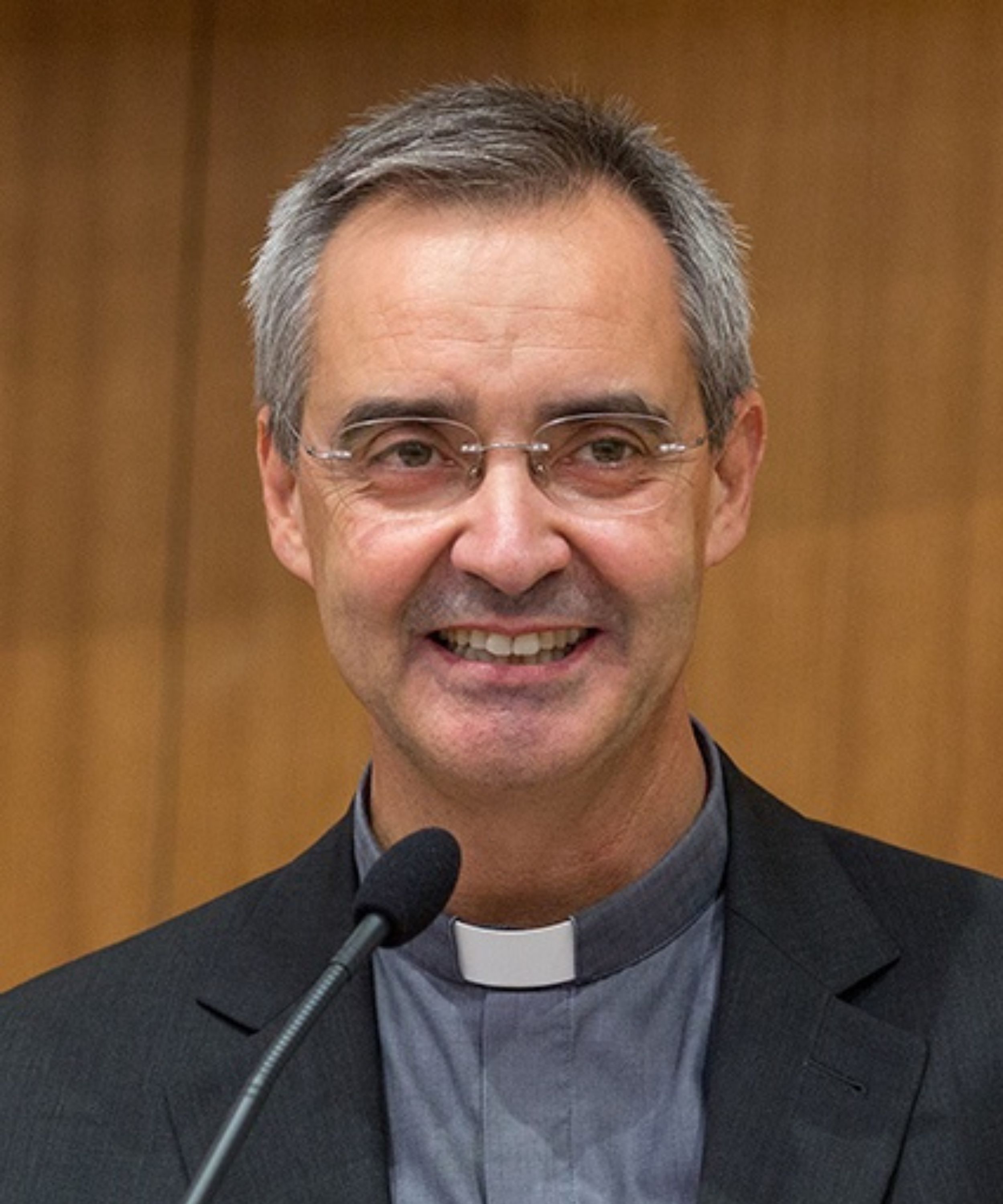
The Human Impact of the AI Revolution: Chinese and Western Perspectives
A Symposium and Workshop at Villa Malta in Rome
The Human Impact of the AI Revolution: Chinese and Western Perspectives Video Player
Thursday, April 16-17, 2026
Location:
Villa Malta (Rome) Map
The global struggle for technological and economic preeminence in artificial intelligence is in full swing. In the meantime, AI has begun to transform culture and society around the world. With the rapid deployment of generative AI we are moving quickly into a world in which what it means to be human—our self-identities and our most important social relationships—will increasingly be mediated by technology.
In both China and the West there are long histories of reflection on technology and its impact on human identities and interpersonal relations—in the humanities, theology, and social sciences as well as in literature and popular culture. But that reflection has not kept pace with the explosive transformation that began with the internet, social media, and smart phones and is accelerating with the ongoing AI revolution.
The symposium convened experts from Asia, Australia, Europe, and North America to explore the human impact of the AI revolution through diverse disciplinary, artistic, philosophical, and spiritual lenses. Participants addressed four related sets of questions, which are also explored in an accompanying reflection series.
Human Uniqueness. How has the emergence of AI shed light on what is distinctively human? Is human intelligence, in its complexity, qualitatively different from machine intelligence?
The Future of Intimacy. How is AI transforming our personal development and relationships with family and friends? What does “being human” mean in this new world?
Human-Machine Interaction. How can humans interact creatively with AI—in the worlds of education, art, and spirituality? Does coexistence with AI require new ethical frameworks?
The Contribution of Catholic Social Thought. Does the Church’s teaching on human dignity shed light on the challenges posed by AI? Can AI contribute to “integral human development”?
The symposium was hosted by the Georgetown University Rome Office, in partnership with the Berkley Center for Religion, Peace, and World Affairs; the School of Oriental and African Studies (SOAS, University of London); the Centre for Digital Culture, Dicastery for Culture and Education; and the China Forum for Civilizational Dialogue, a collaboration between Georgetown and La Civiltà Cattolica. It is part of the Culture of Encounter Project at the Berkley Center and builds on the work of the project Chinese Perspectives on AI in a Global Context.
Schedule
Thursday, April 16
Welcome Reception
- Debora Tonelli, Georgetown University
- Stefania Travagnin, SOAS, University of London
Keynote Conversation: "The Church Engages the AI Revolution"
- Bishop Paul Tighe, Dicastery for Culture and Education
- Thomas Banchoff, Georgetown University
Friday, April 17
Gathering and Coffee
- Rev. Nuno da Silva Gonçalves, S.J., La Civiltà Cattolica
- Thomas Banchoff, Georgetown University
- Rev. Antonio Spadaro, S.J., Dicastery for Culture and Education
First Session: Human Uniqueness
How has the emergence of AI shed light on what is distinctively human? Is human intelligence, in its complexity, qualitatively different from machine intelligence?
- Magali Goirand, Australian Institute of Health Innovation
- Kai-wen Cheng, Tzu Chi University
- Angel González-Ferrer, Centre for Digital Culture, Dicastery for Culture and Education
- Guobin Yang, University of Pennsylvania
Second Session: The Future of Intimacy
How is AI transforming our personal development and relationships with family and friends? What does "being human" mean in this new world?
- Magali Goirand, Australian Institute of Health Innovation
- Peter Hershock, East-West Center
- Rev. Paolo Benanti, TOR, LUISS University
- Stefania Travagnin, SOAS, University of London
Third Session: Human-Machine Interaction
How can humans interact creatively with AI—in the worlds of education, art, and spirituality? Does coexistence with AI require new ethical frameworks?
- Guobin Yang, University of Pennsylvania
- Yingjin Xu, Fudan University
- Heidi Campbell, Texas A&M University
- Angel González-Ferrer, Centre for Digital Culture, Dicastery for Culture and Education
- Stefania Travagnin, SOAS, University of London
Fourth Session: The Contribution of Catholic Social Thought
Does the Church's teaching on human dignity shed light on the challenges posed by AI? Can AI contribute to "integral human development"?
- Monsignor Renzo Pegoraro, Pontifical Academy for Life
- Rev. Peter Lah, S.J., Pontifical Gregorian University
- Tongdong Bai, Fudan University
- Debora Tonelli, Georgetown University
- Heidi Campbell, Texas A&M University
- Tongdong Bai, Fudan University
- Peter Hershock, East-West Center
- Thomas Banchoff, Georgetown University
Public Reception
Discover similar content through these related topics and regions.


Image Gallery
Image Gallery
/9
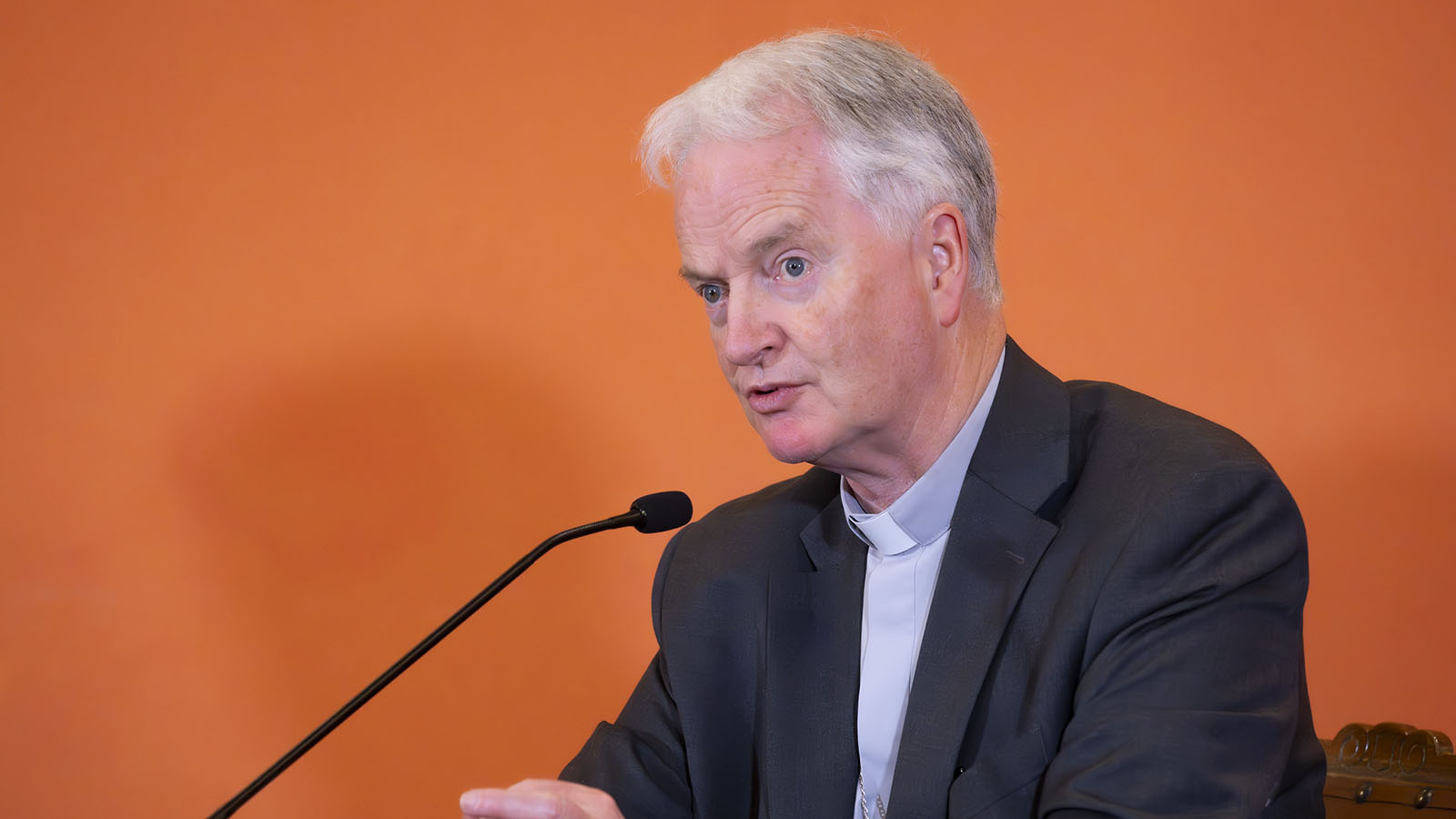
Bishop Paul Tighe (Dicastery for Culture and Education) gives the keynote on "The Church Engages the AI Revolution"
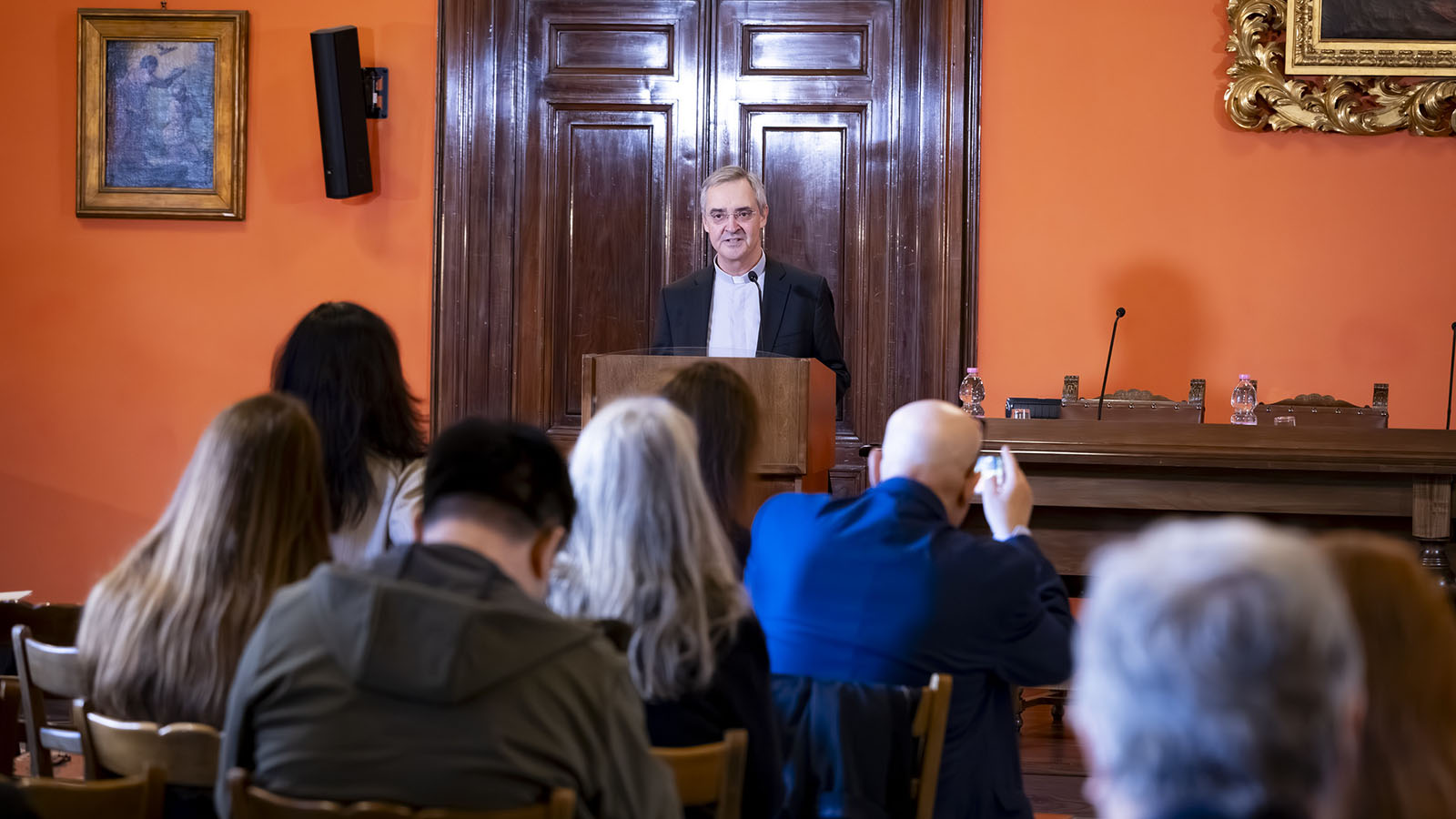
Rev. Nuno da Silva Gonçalves, S.J., editor-in-chief of La Civiltà Cattolica, offers welcome remarks
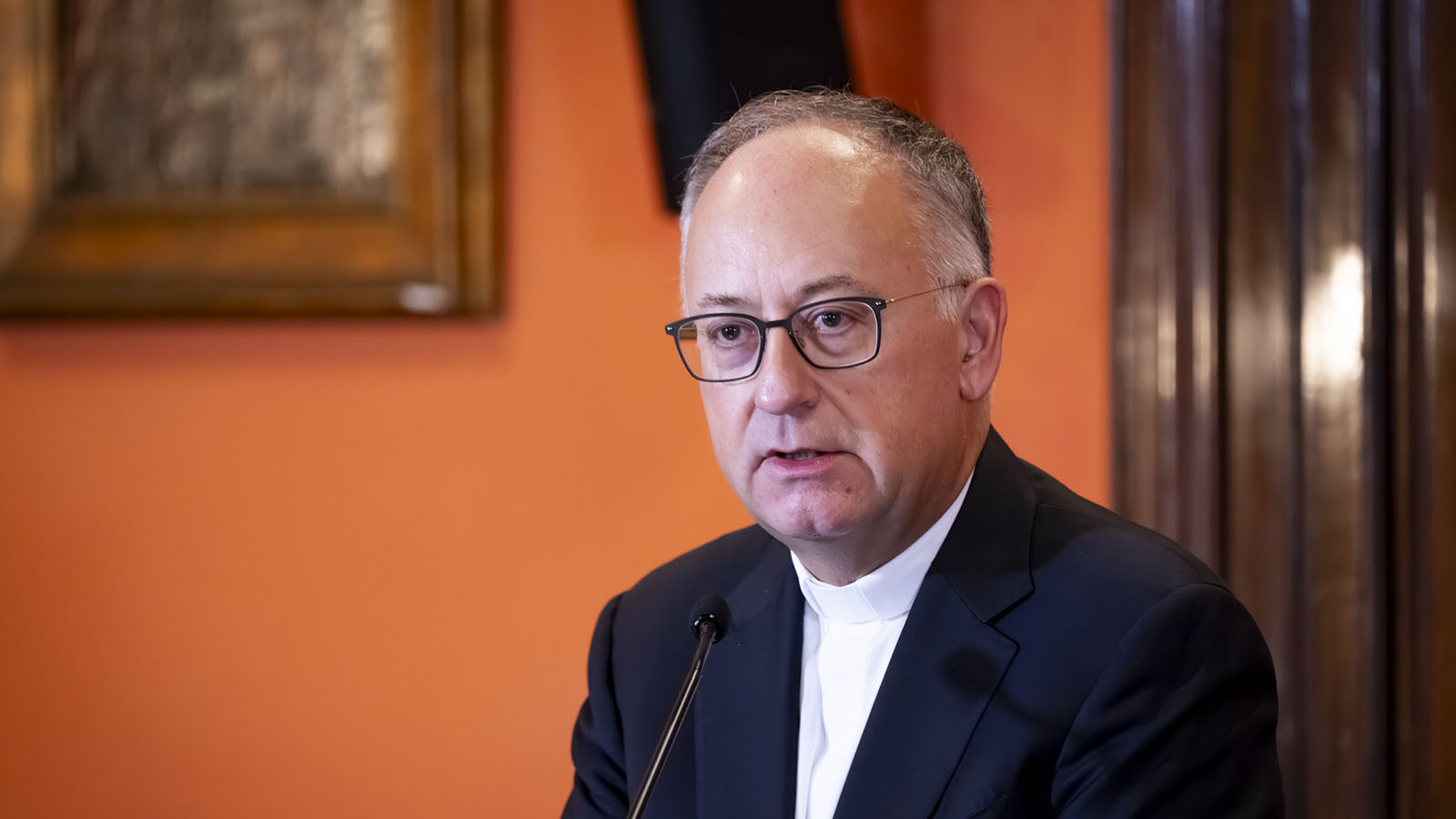
Rev. Antonio Spadaro, S.J., undersecretary for the Dicastery for Culture and Education, shares welcome remarks
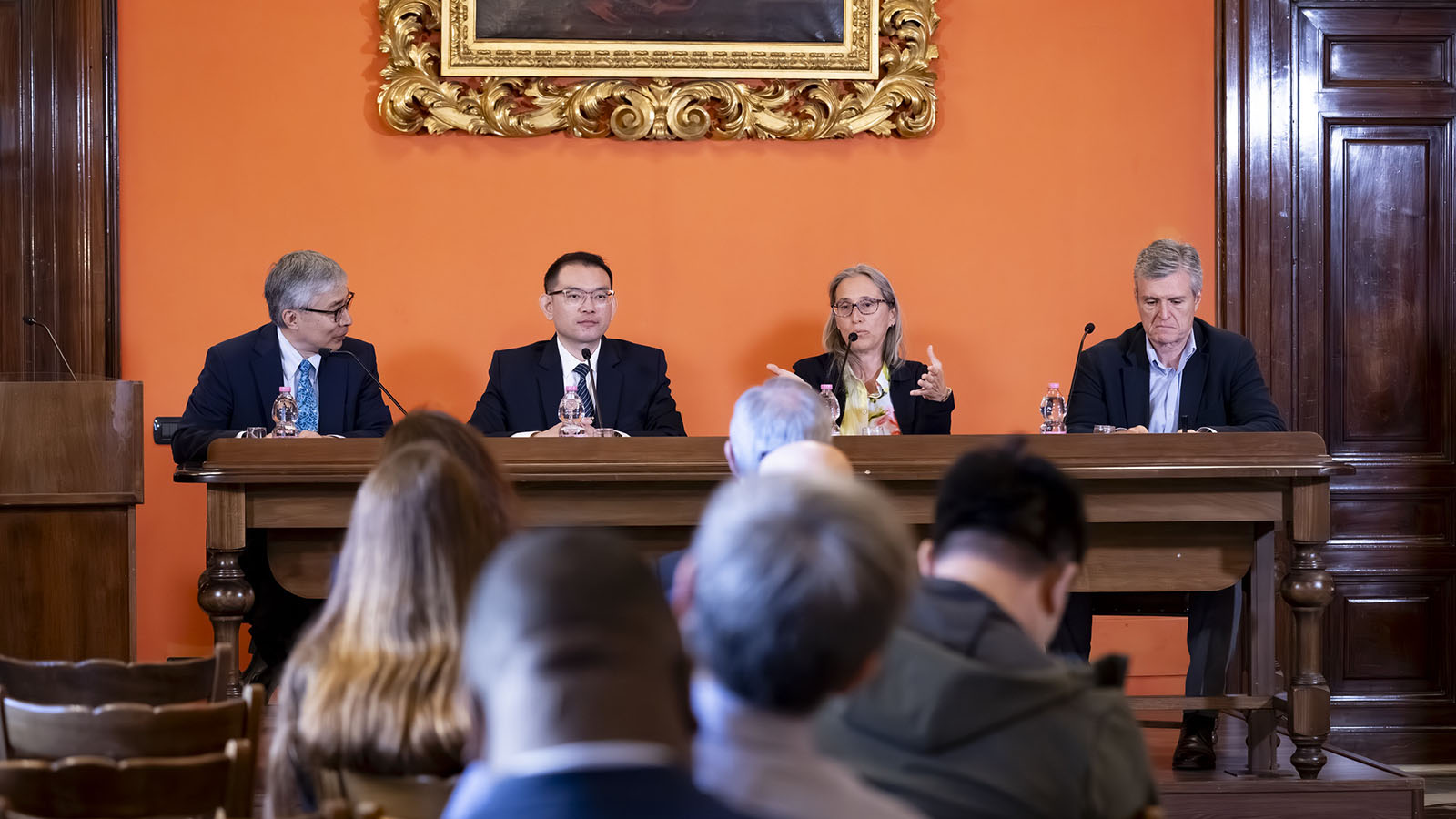
Panelists discuss whether human intelligence, in its complexity, is qualitatively different from machine intelligence
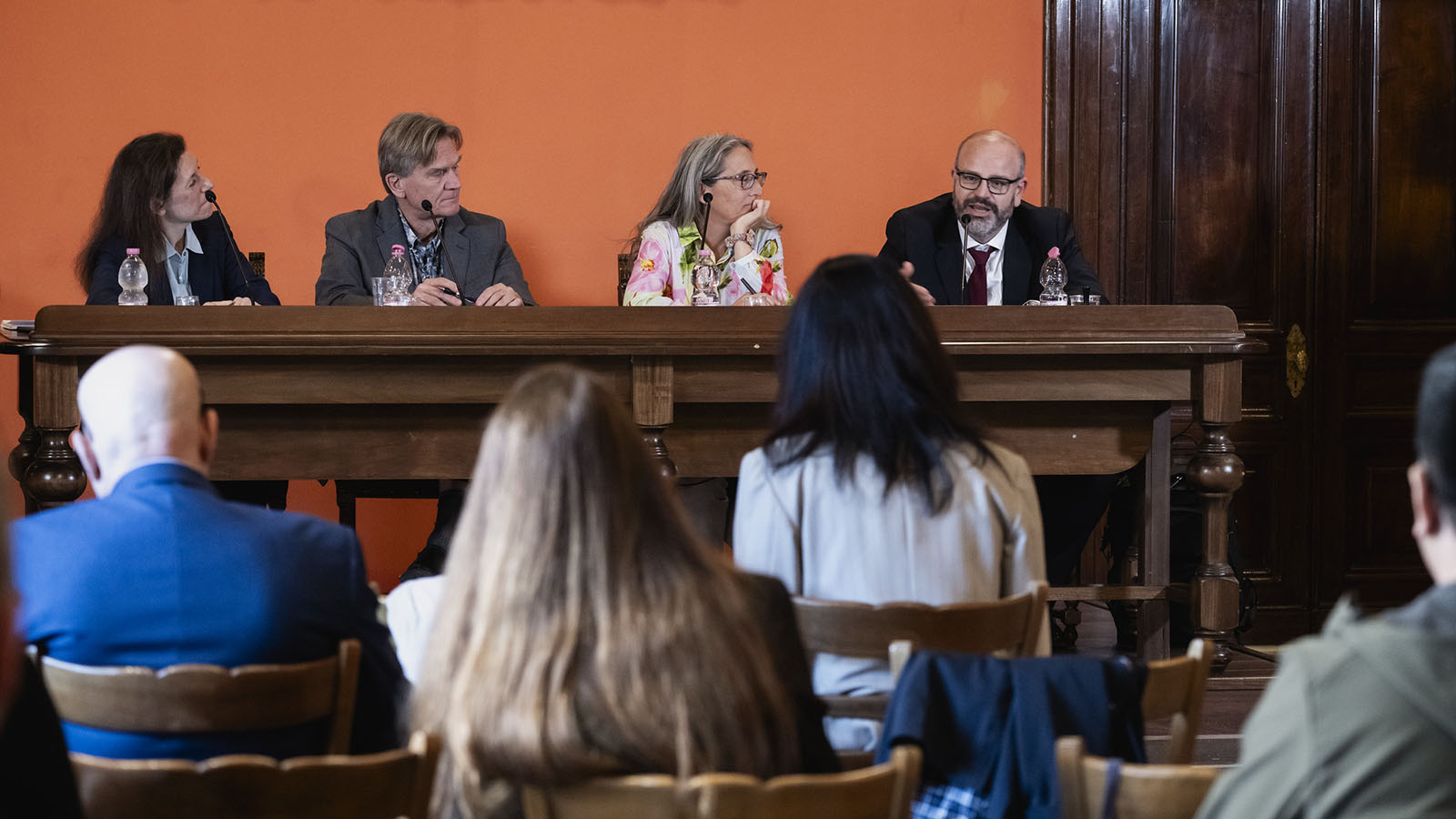
The second panel considers how AI is transforming our personal development and relationships with family and friends
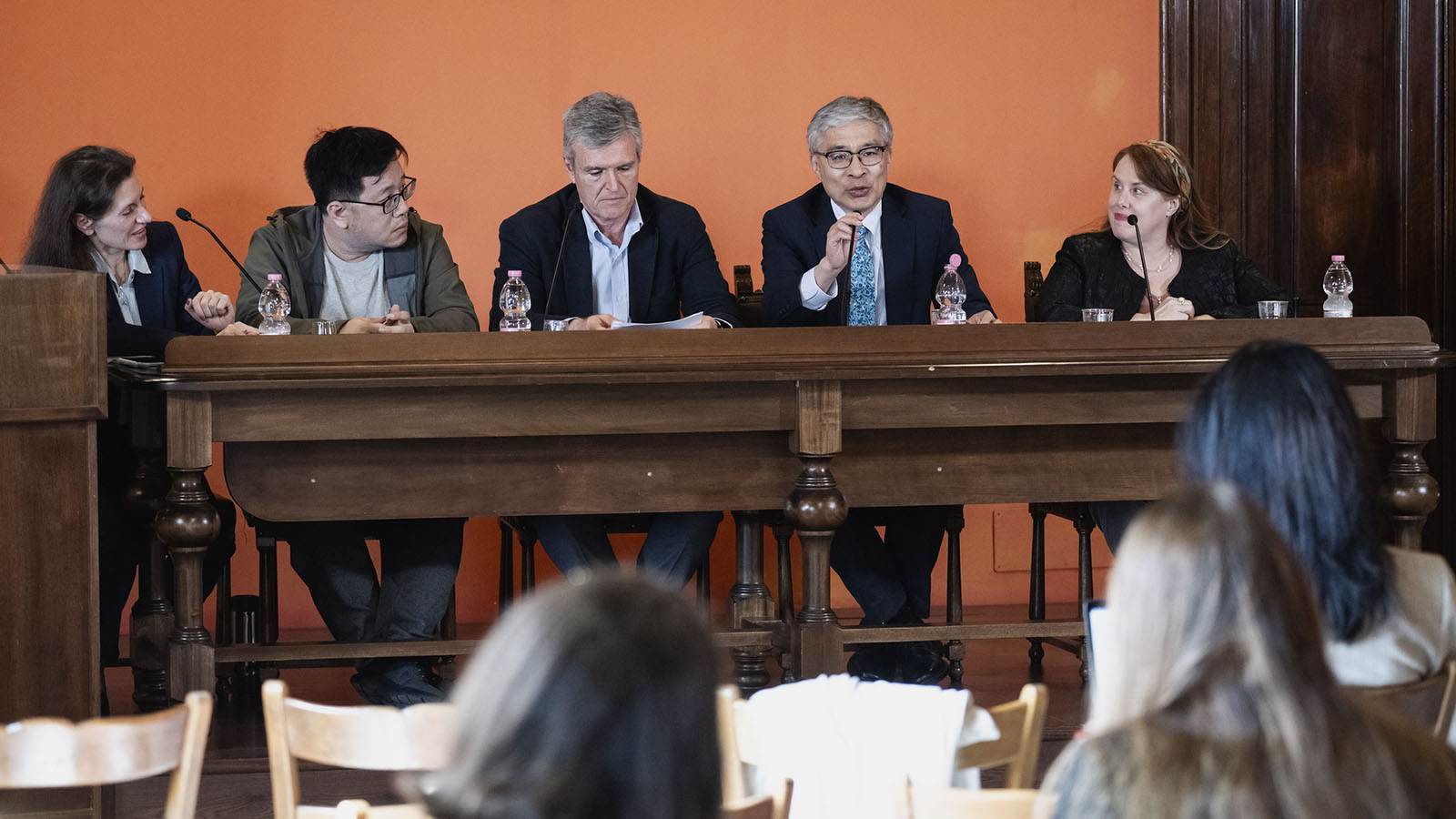
The third panel on "Human-Machine Interaction" addresses whether coexistence with AI requires new ethical frameworks
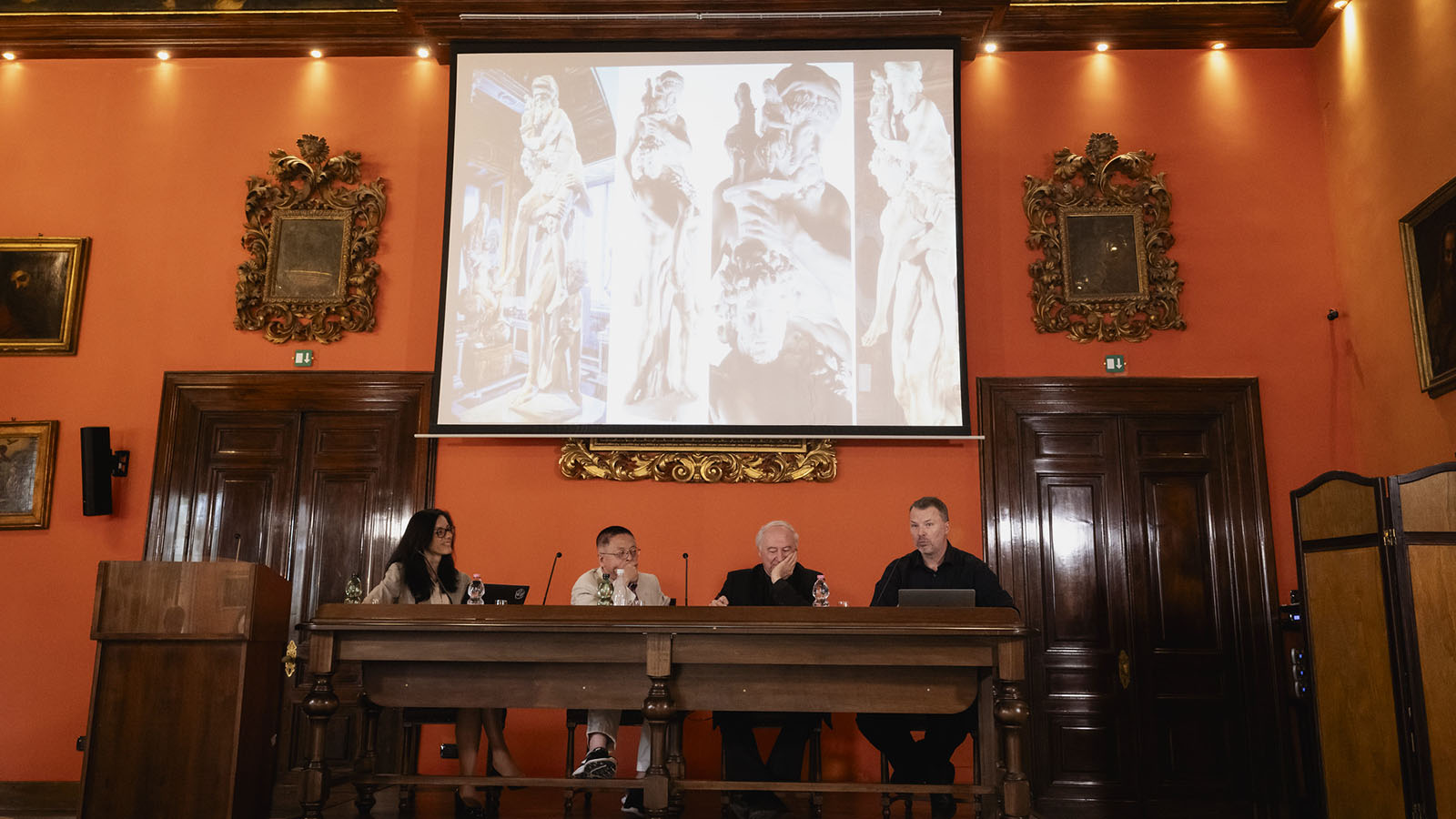
Panelists reflect on ways the Catholic Church's teaching on human dignity sheds light on the challenges posed by AI
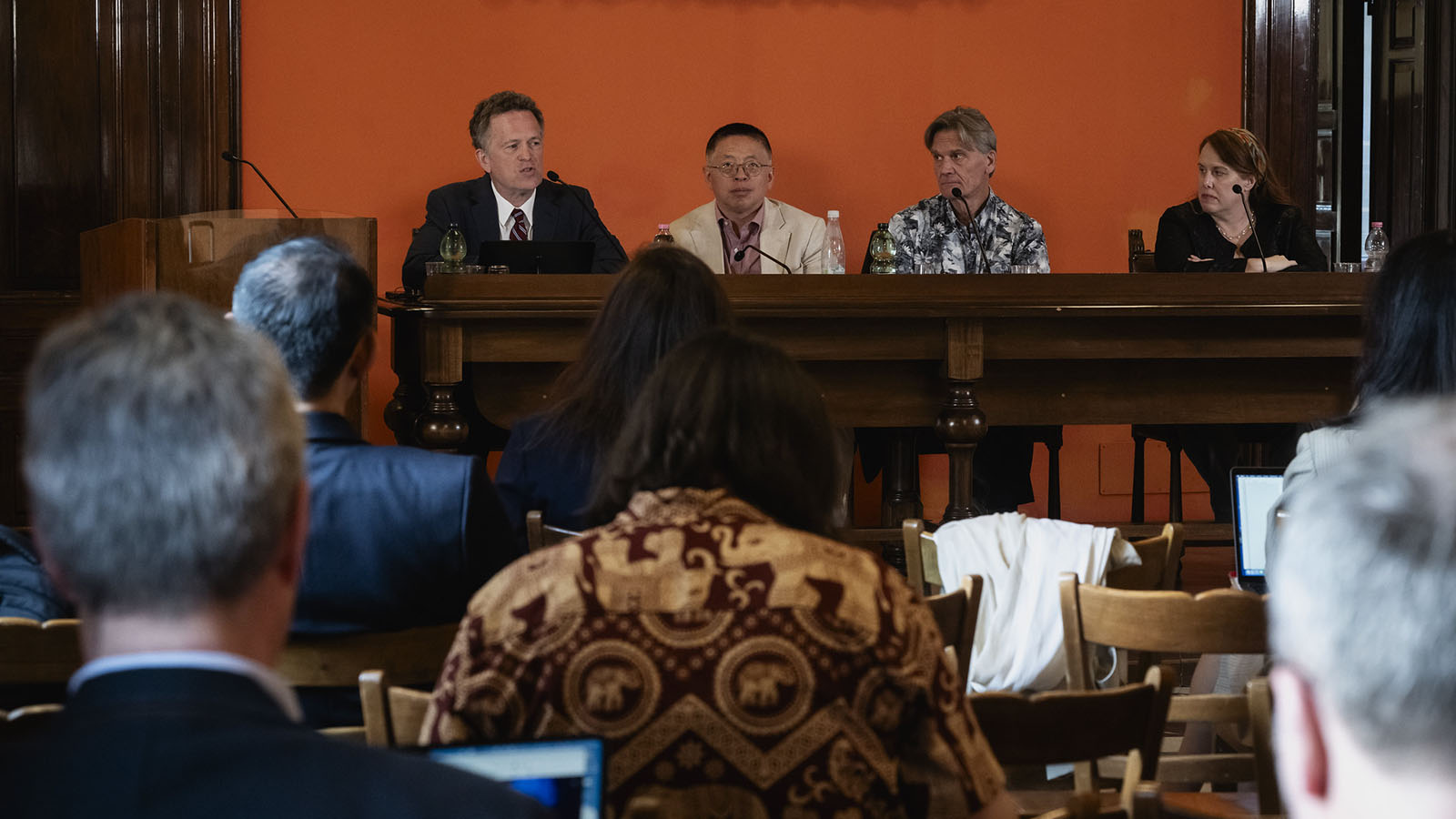
Berkley Center Director Thomas Banchoff leads off the closing conversation

Debora Tonelli (Georgetown) and Stefania Travagnin (SOAS) discuss their work organizing the conference