


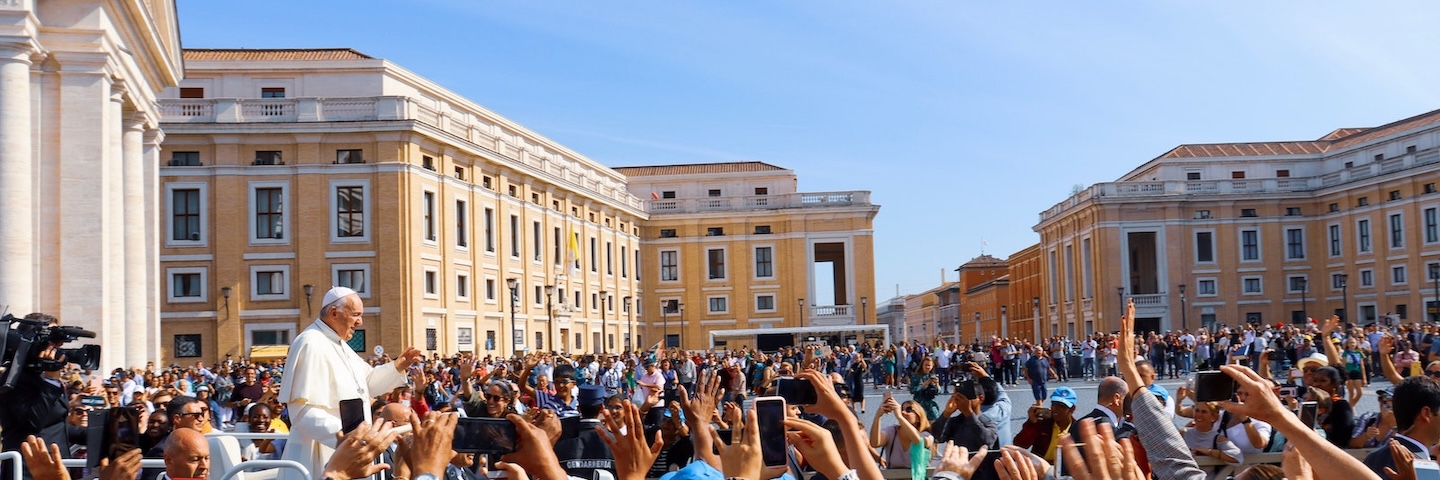


On February 20, the Berkley Center’s Culture of Encounter Project hosted “Democracy and the Culture of Encounter: How a Key Theme of Pope Francis Relates to Our Current Crisis,” co-sponsored by the the Institute for Advanced Catholic Studies at USC, in collaboration with the Initiative on Catholic Social Thought and Public Life at Georgetown University, the Georgetown Democracy Initiative, and Commonweal Magazine.
The conversation, which capped a day-long workshop on "Democracy and Encounter" with leading thinkers from diverse backgrounds, explored how vibrant democracies depend not only on robust institutions but also on habits of presence, listening, and mutual recognition—practices at the core of a culture of encounter, a key theme of Pope Francis’ pontificate.
Difference as a Starting Point
Berkley Center Director Thomas Banchoff opened the conversation by acknowledging the strain on democratic systems today: rising ideological polarization, global and local mistrust, and erosion of shared civic norms. He noted that Francis’ emphasis on encounter, a term invoked 49 times in his 2020 encyclical, Fratelli tutti, includes Latin root, contra—opposition or difference. Encounter means “engaging with others fully aware of our differences,” Banchoff emphasized, “aware of the individuality of the other, curious about where they’re coming from, and eager to find creative ways forward.”
Drawing on Pope Francis’ concept, Berkley Center Senior Fellow Paul Elie described human interdependence as a basic condition of political life. Encounter is an engagement with difference rather than its erasure—a recognition that democratic coexistence requires sustained contact across disagreement. Elie also noted that while the culture of encounter was central to Francis’ pontificate, he also expects this theme to endure under Pope Leo XIV.
Encounter as Democratic Practice
Nadia Urbinati, professor of political theory at Columbia University, added that one of the core functions of democratic institutions is to create conditions in which citizens can meet one another outside their social and ideological spheres—without fear. Encounter, she noted, is a vital component of a vibrant civil society.
Democracy starts from society…the way in which we interact in the local government, in the local life, at the school level, on the neighborhood level, this is what democracy is about.
Democratic theorist Robert Talisse, professor of philosophy and political science at Vanderbilt University, described democracy as both an aspiration and a higher ideal, defining it as a society of self-governing equals. To be political equals, he argued, is to recognize one another as coauthors of shared rules, each “entitled to an equal say.”
Francis talks about a culture of encounter rather than a politics of encounter...our role as citizens…has to be placed within a broader cultural setting that enables us to see even our political adversaries as something other than merely opposed political agents.
Where Encounter Meets Reality
Returning to Francis’ Jesuit heritage, Banchoff closed by underscoring two dimensions of encounter: patience and realism. Encounter unfolds over time; meaningful engagement cannot be rushed. And, as Francis often insisted, realities are more pressing than ideals. To practice a culture of encounter is to meet people where they are, and to embrace rather than reject lived experiences.
In the conversation with the audience that followed, the panelists emphasized that democratic renewal is not solely a matter of reforming systems. It is also about choosing encounter over retreat, and in doing so, cultivating the habits that make lived equality and enduring political community possible.
This event and the Democracy and Encounter workshop were made possible through a grant from the Henry Luce Foundation. They are part of the Berkley Center’s Culture of Encounter Project.
Image Gallery
Image Gallery
/5
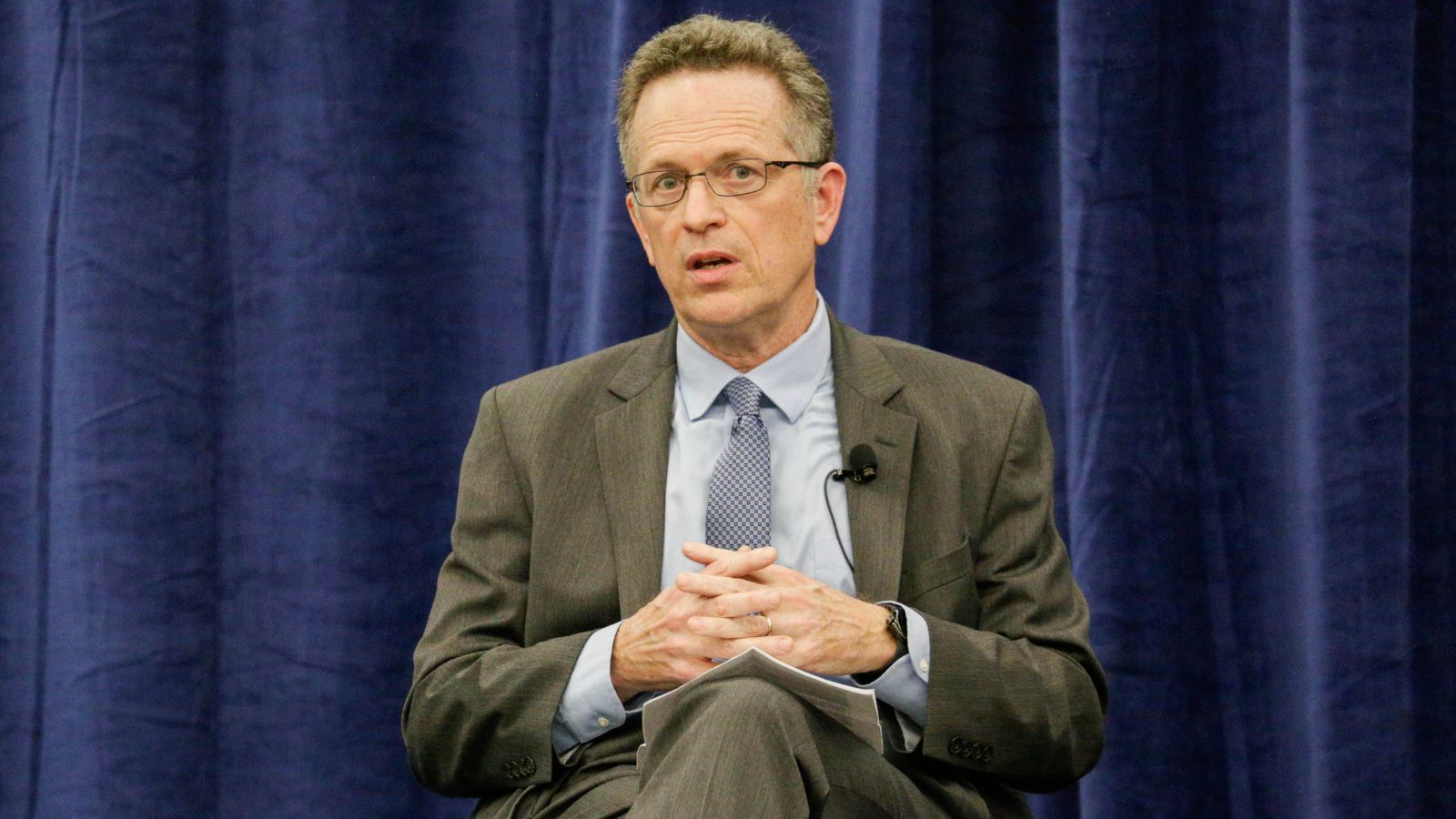
Berkley Center Director Thomas Banchoff provides opening remarks.
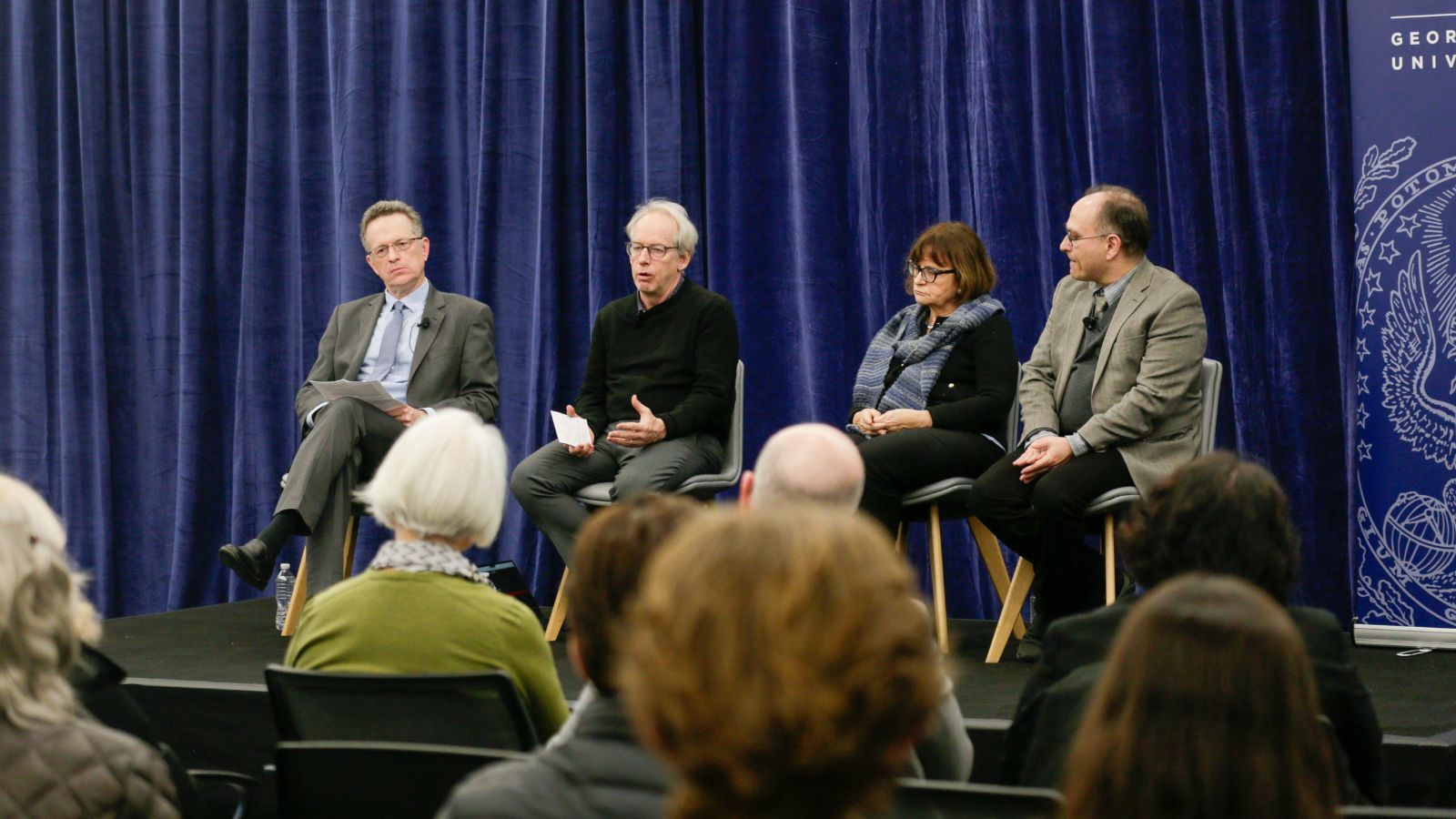
Paul Elie begins with a discussion on the legacy of Pope Francis.
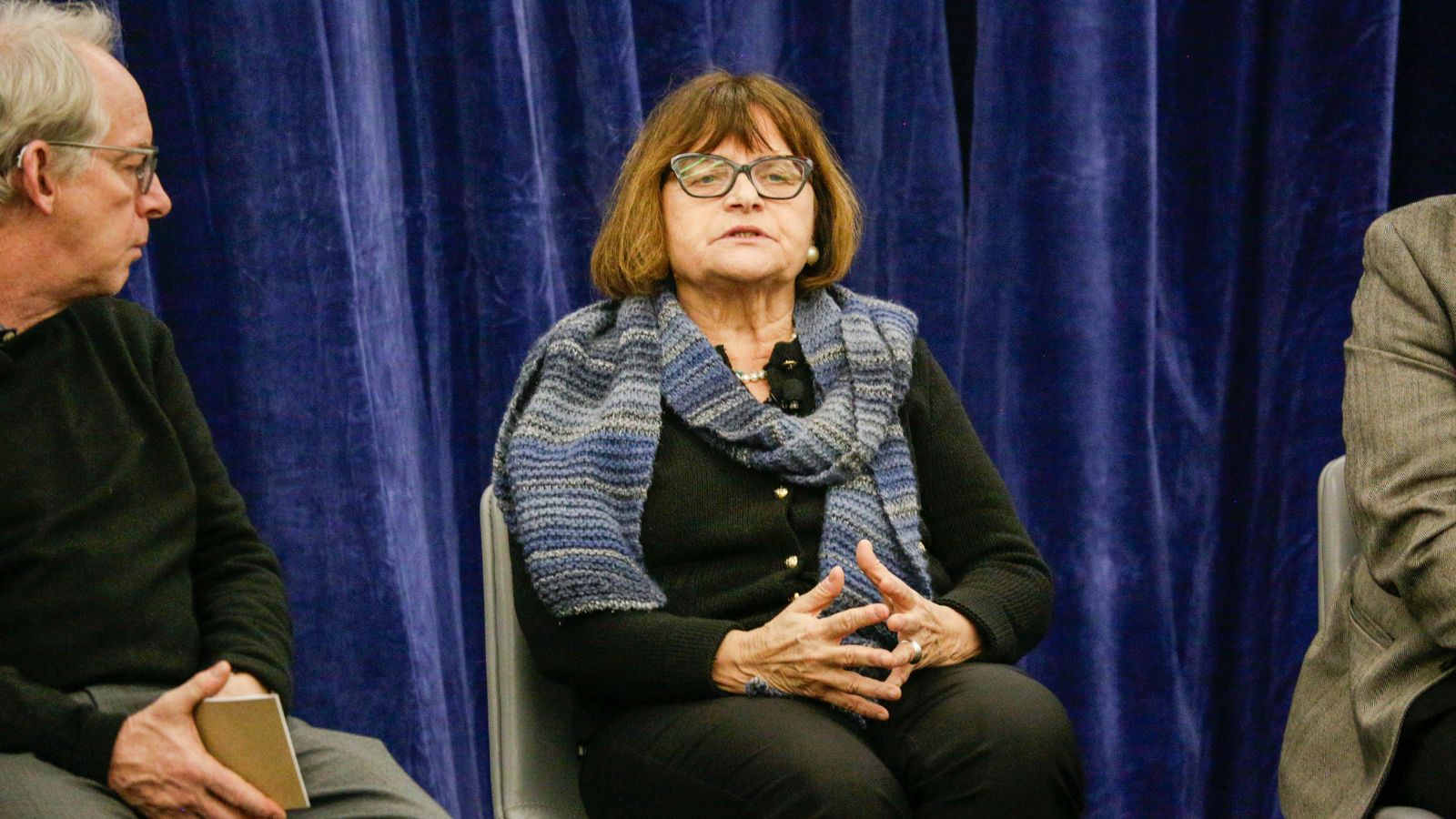
Nadia Urbinati talks about ideas of encounter.
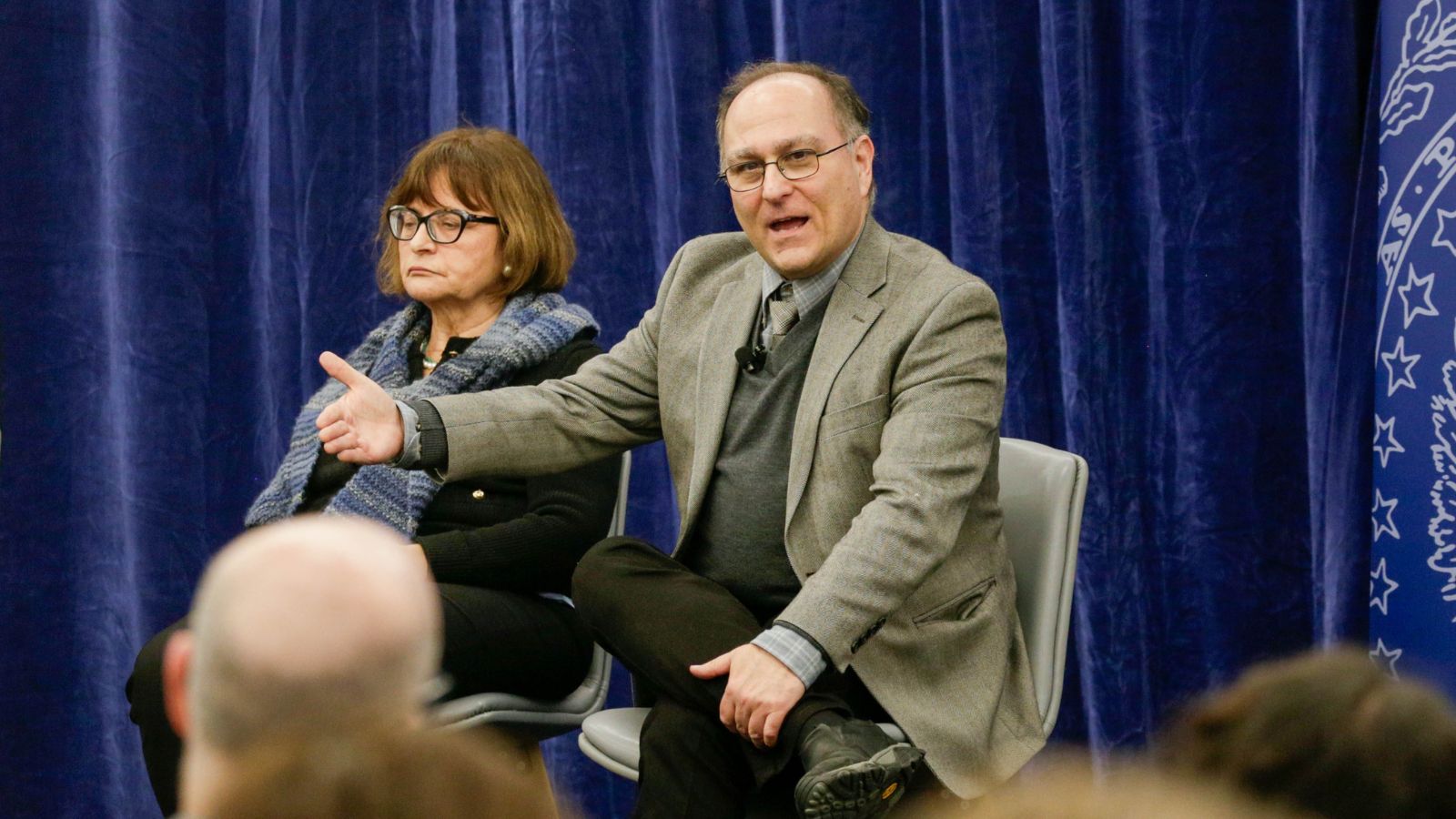
Robert Talisse discusses the role of institutions in democracy and encounter.
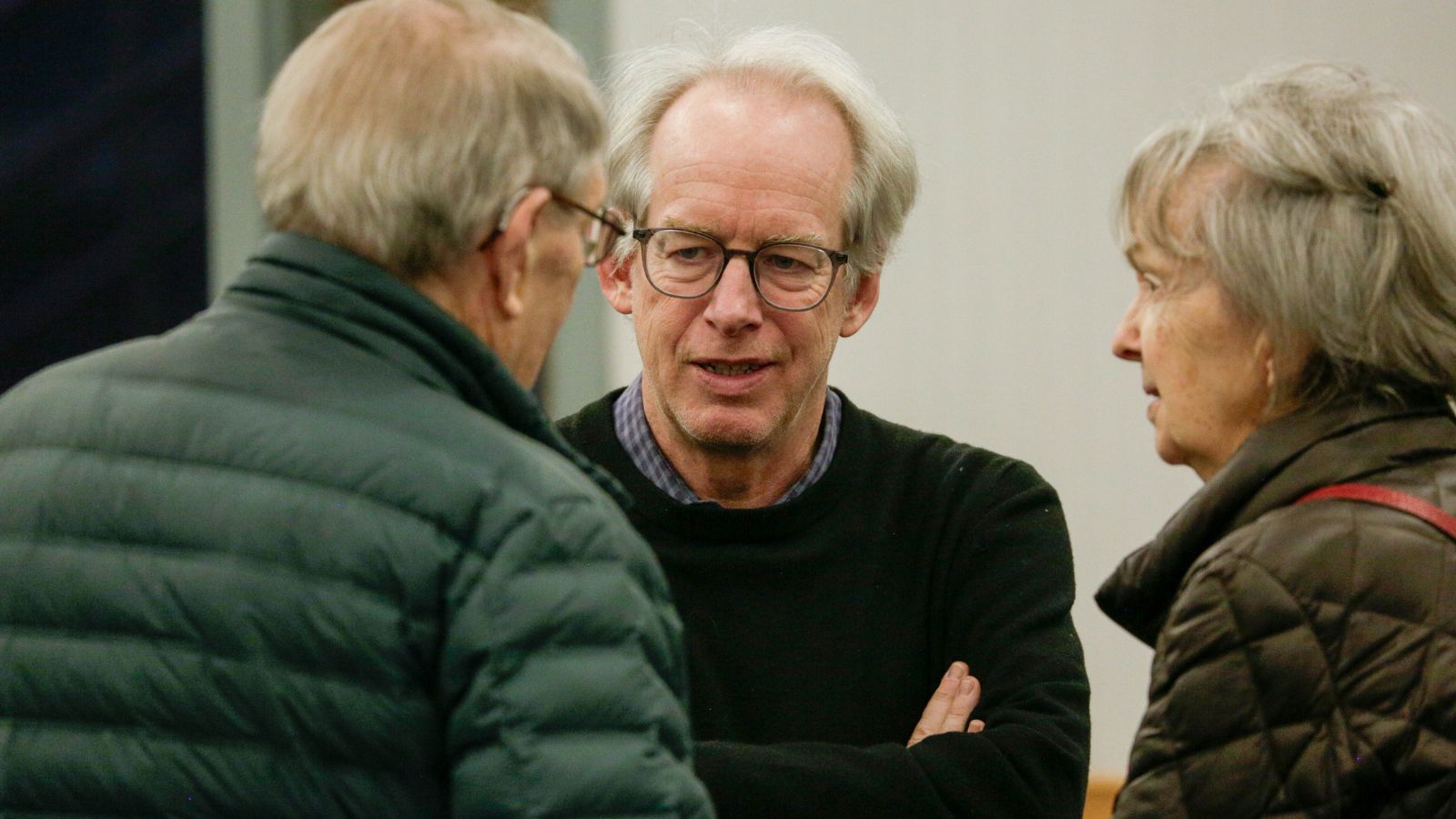
Paul Elie in conversation with attendees.