


FEATURE
Georgetown Symposium Explores Chinese and Western Perspectives on AI
By: Thomas Banchoff
June 10, 2026


U.S.-China competition over artificial intelligence is everywhere in the headlines. But little attention is being paid to the common cultural and societal challenges generated by AI in China and the West. How does the rise of intelligent machines compel us to rethink what it means to be human—our human dignity, freedom, and relationships and with one another? How can we enjoy the economic, educational, medical, and other benefits of the AI revolution while nurturing what is unique about the human person and indispensable in our communities?
Georgetown University’s Rome Office and Berkley Center for Religion, Peace, and World Affairs brought leading international scholars together in April 2026 to explore these questions. The symposium on “The Human Impact of the AI Revolution: Chinese and Western Perspectives” was hosted by the international Jesuit journal La Civiltà Cattolica at Villa Malta in Rome.
Chinese and Western Perspectives on the Human Person
The event began with a keynote conversation between Berkley Center Director Thomas Banchoff and Bishop Paul Tighe, secretary in the Vatican Dicastery for Culture and Education and a leading AI expert within the Curia. Tighe provided an overview of the Catholic Church’s engagement with the AI revolution, anticipating a key theme of Pope Leo XIV’s May 2026 encyclical Magnifica humanitas: the importance of safeguarding the human person in the midst of an unprecedented technological revolution.
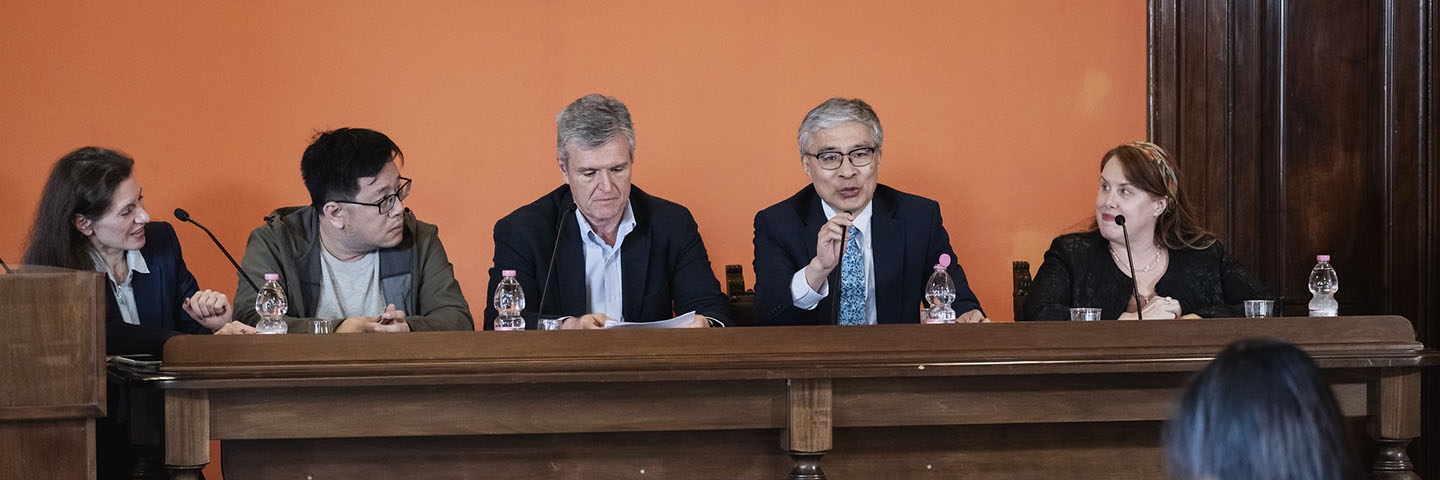
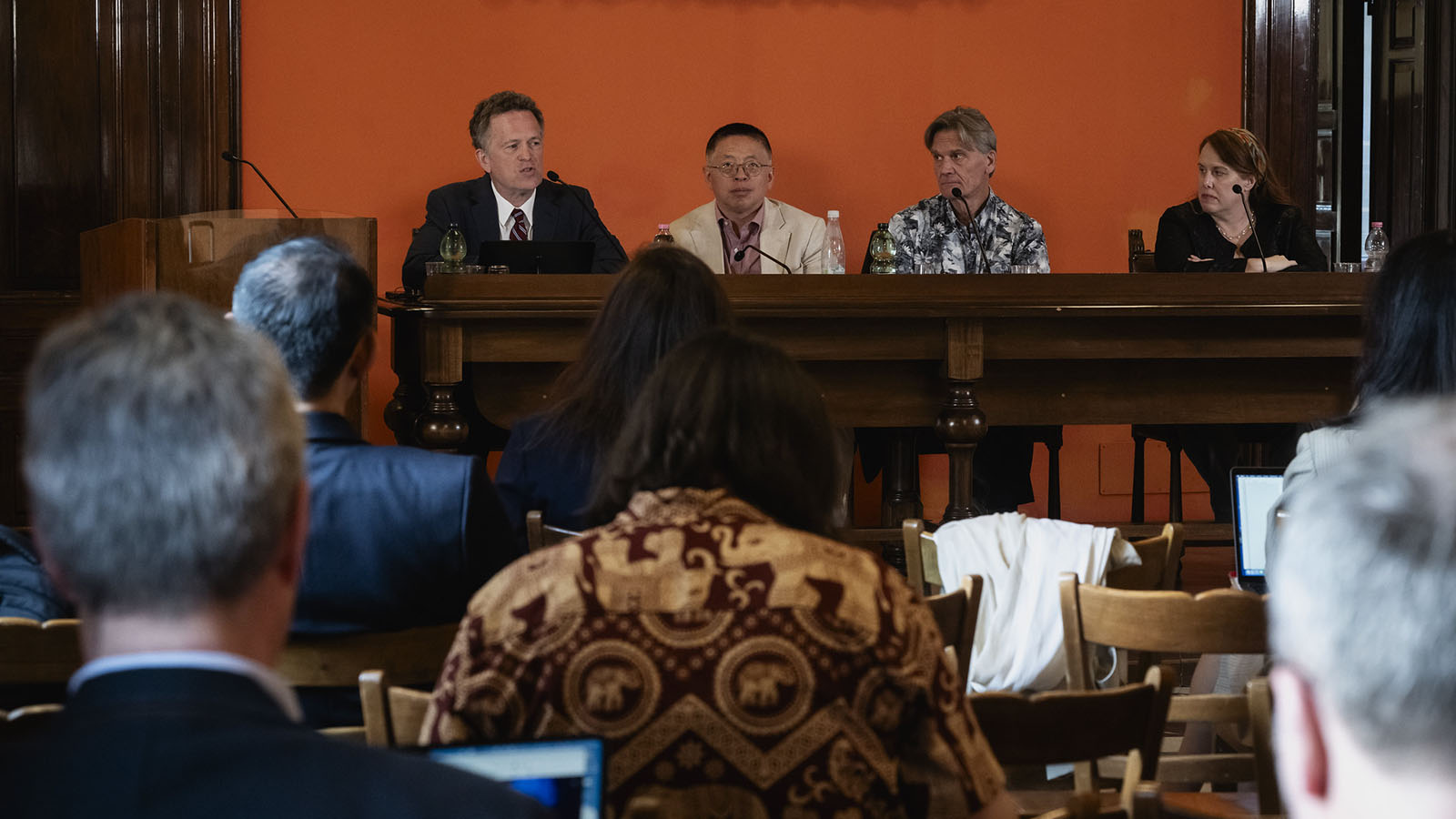
The following day, three panels addressed Chinese and Western perspectives on the human person. A session on human uniqueness explored how AI has shed light on what is distinctively human. A session on human intimacy centered on the technology’s impact on personal development and relationships with family and friends. A third session addressed the future of human-machine interaction—how humans might engage creatively with AI in the worlds of education, art, and spirituality.
Across all the sessions, participants from Asia, Europe, and the United States contrasted the dominant rationalist and individualist approach to human person in the West with a more holistic alternative in Confucian and Buddhist traditions at the heart of Chinese civilization. A final session, on the contributions of Catholic social teaching, addressed parallels between its focus on human relationality—our vulnerability and dependence upon one another as a source of strength and dignity—and the theme of interdependence salient in many Eastern traditions.
Participants in the dialogues included Heidi Campbell, an expert on technology and religion based at Texas A&M University; Yingjin Xu and Tongdong Bai, philosophers at Fudan University in Shanghai; and Ángel González-Ferrer, director of the Centre for Digital Culture within the Dicastery for Culture and Education, one of the event co-sponsors.
In framing remarks for the symposium, Rev. Antonio Spadaro, S.J., undersecretary of the Dicastery for Culture and Education and a member of the Georgetown University Board of Directors, addressed the depth of the challenges we face. “We are called to consider technology differently,” he emphasized. “The question of AI is not only technical, it’s in a deep sense spiritual. It asks not only what we can do but what we desire to become.”
Ongoing Dialogue
The symposium was organized by Debora Tonelli, who leads the Georgetown Rome Office, and Stefania Travagnin of the School of Oriental and African Studies (SOAS, University of London), one of the co-sponsors. It was part of the China Forum for Civilizational Dialogue, a collaboration between Georgetown and La Civiltà Cattolica, and the Culture of Encounter Project at the Berkley Center.
To learn more about the conference and view the videos, visit the event page, explore the Rome Office’s wider project on Chinese Perspectives on AI in a Global Context, and read the reflections of the symposium participants.
Image Gallery
Image Gallery
/9
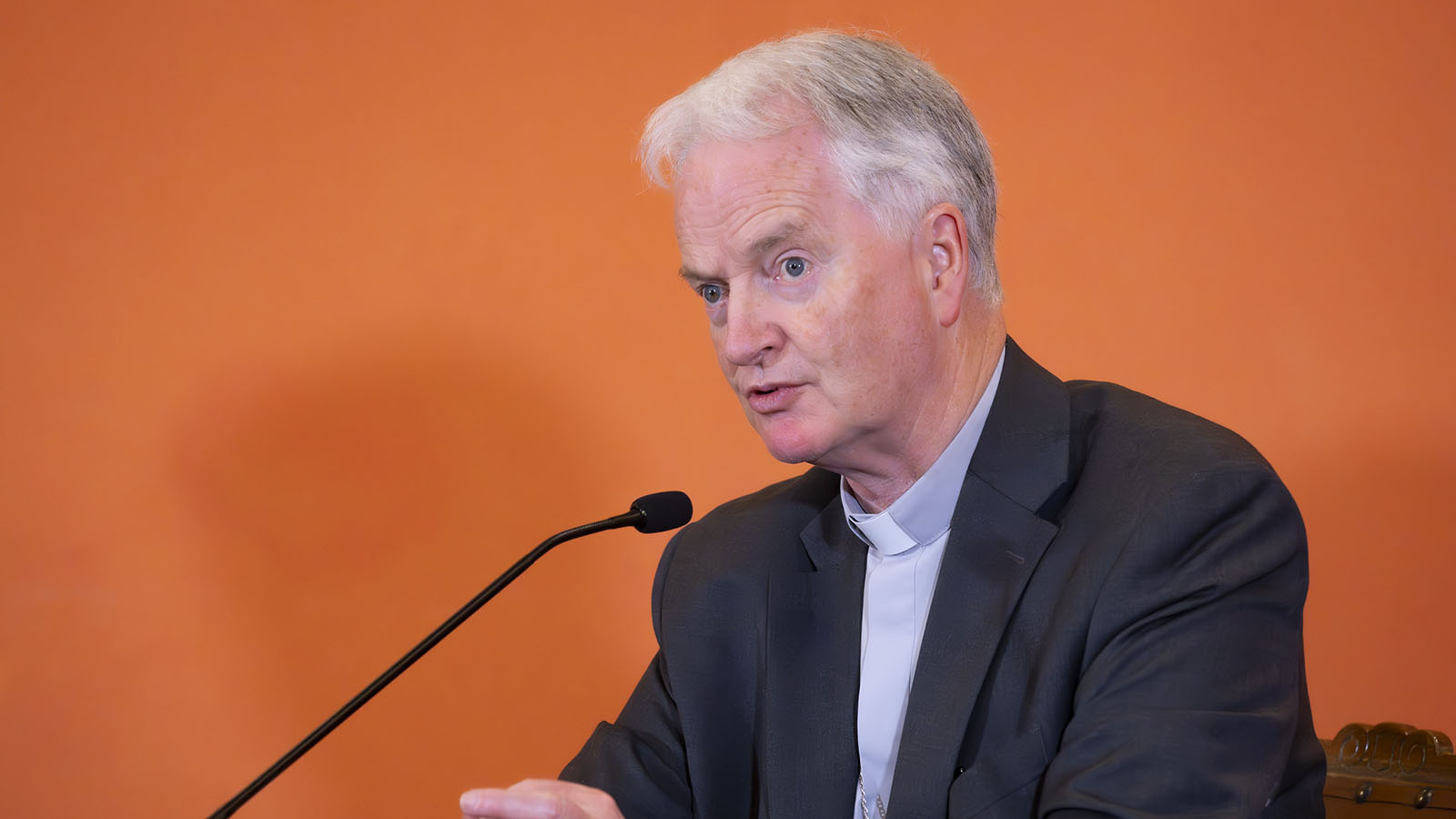
Bishop Paul Tighe (Dicastery for Culture and Education) gives the keynote on "The Church Engages the AI Revolution"
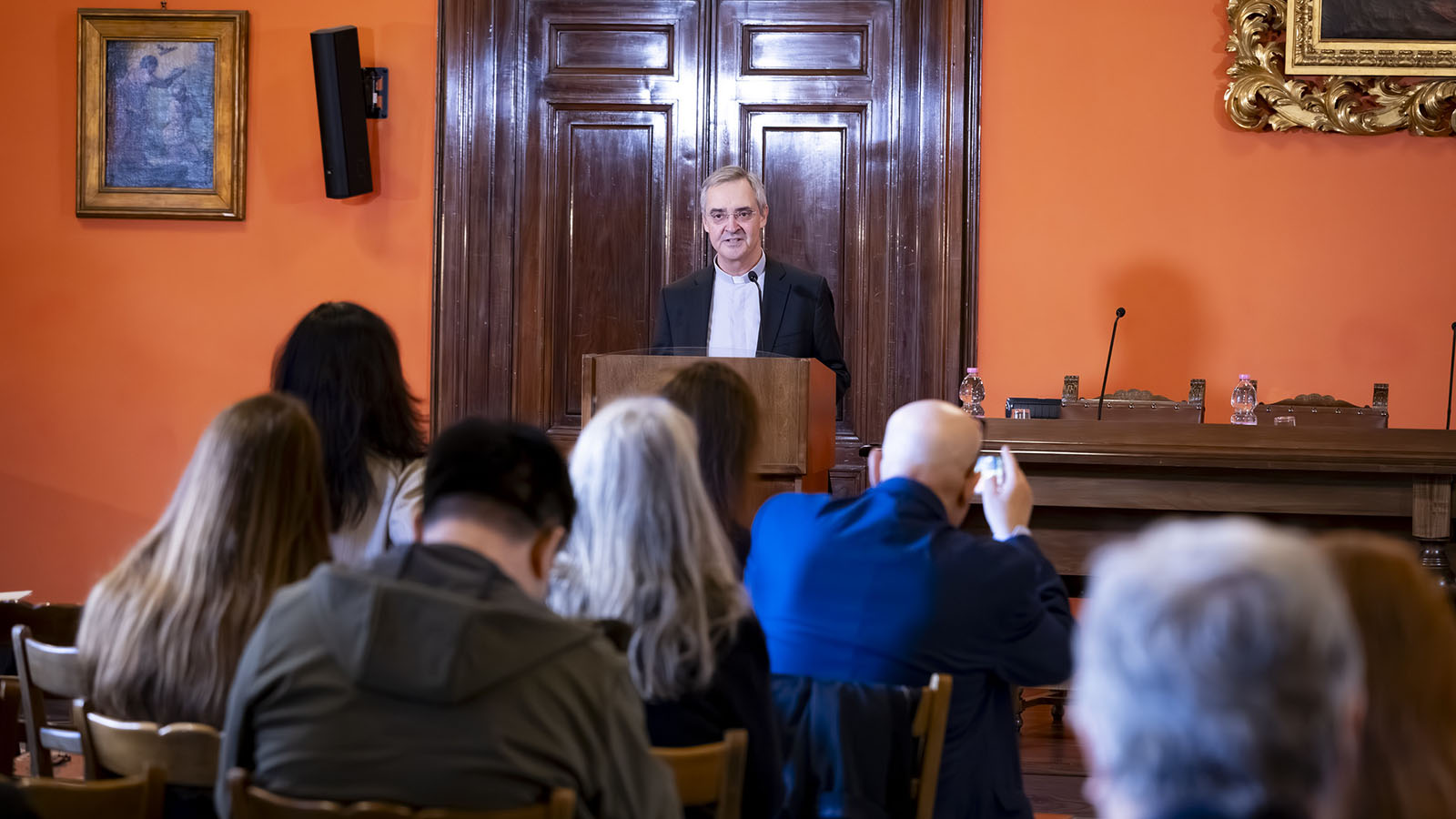
Rev. Nuno da Silva Gonçalves, S.J., editor-in-chief of La Civiltà Cattolica, offers welcome remarks
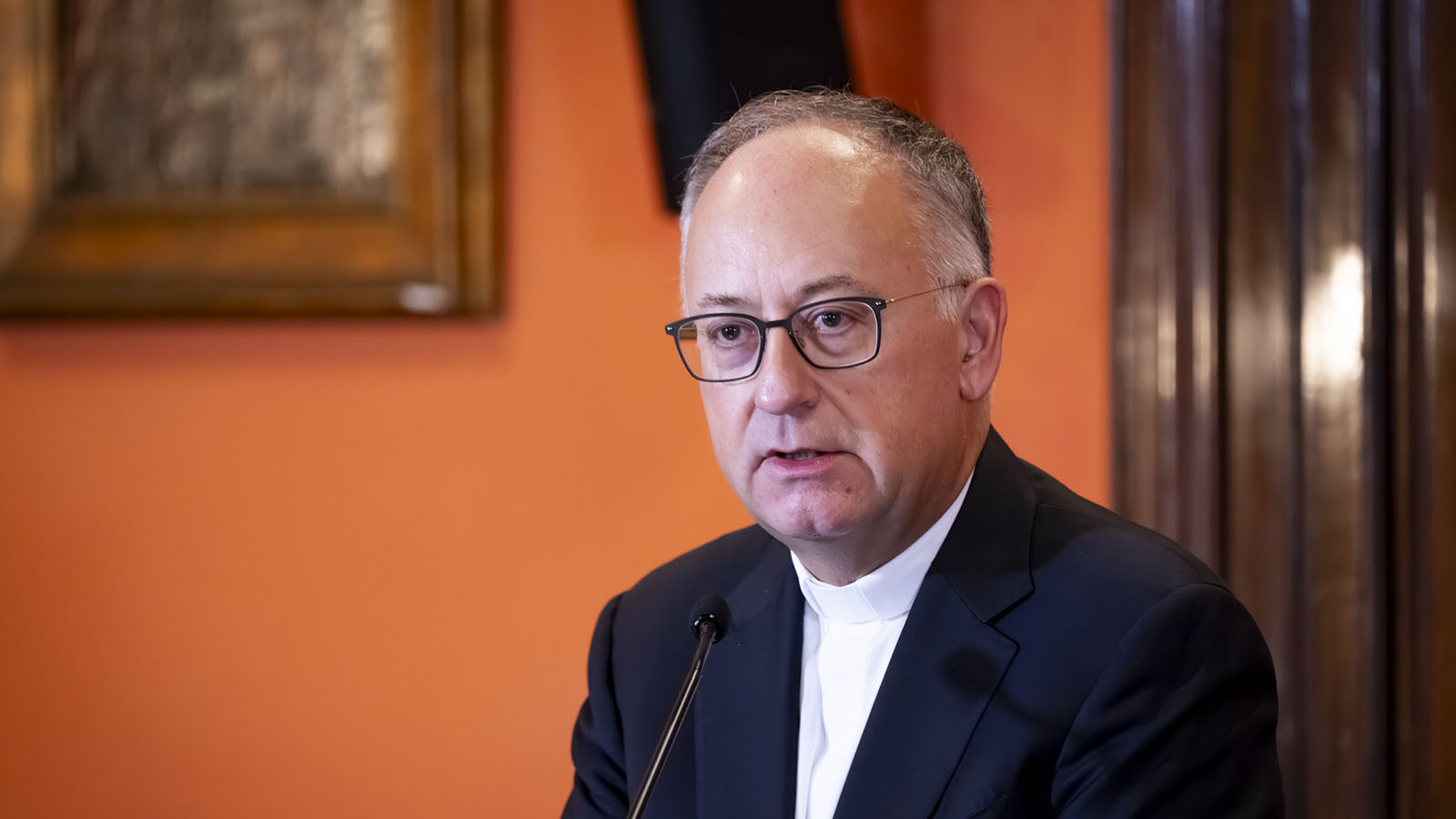
Rev. Antonio Spadaro, S.J., undersecretary for the Dicastery for Culture and Education, shares welcome remarks
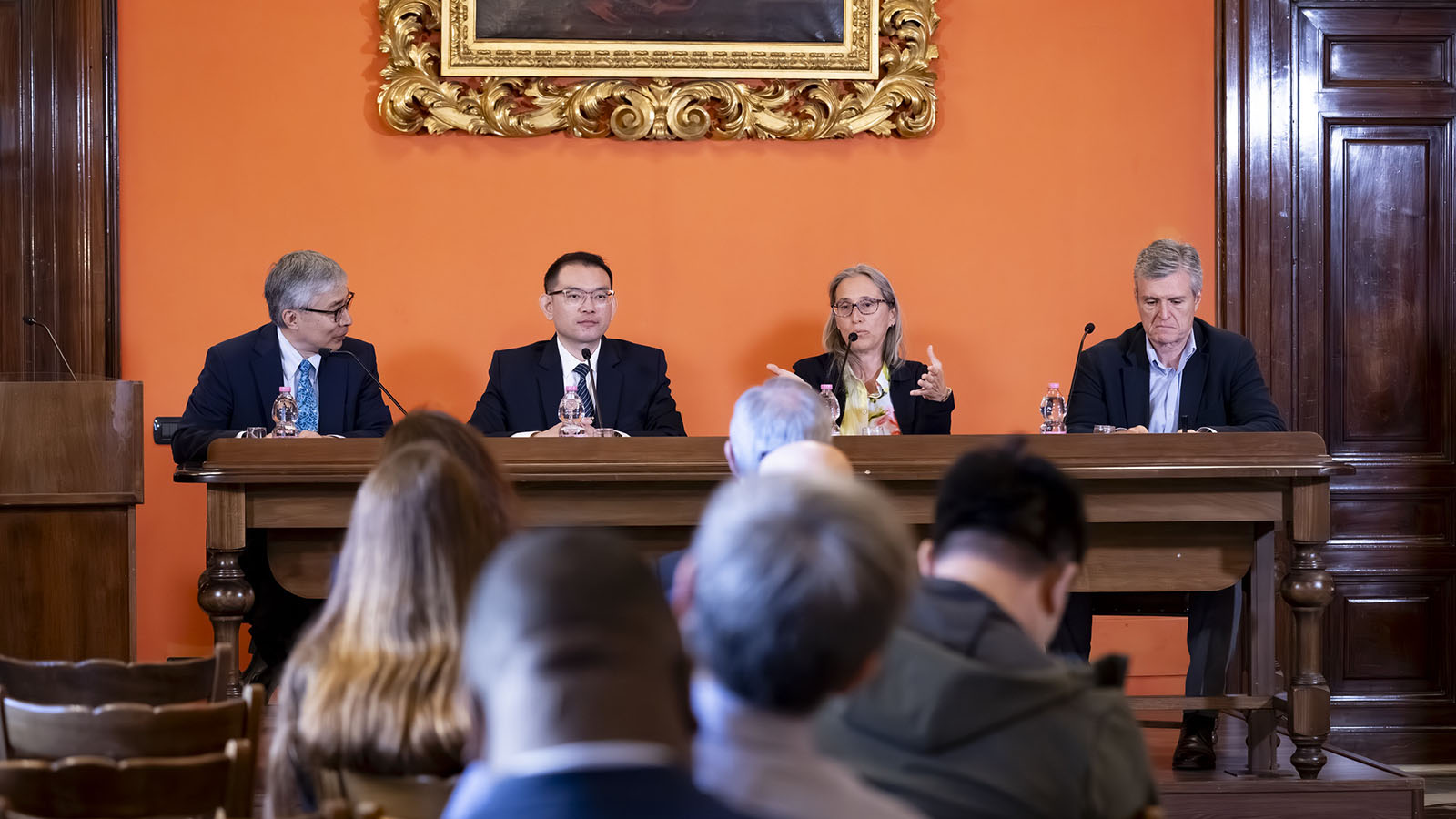
Panelists discuss whether human intelligence, in its complexity, is qualitatively different from machine intelligence
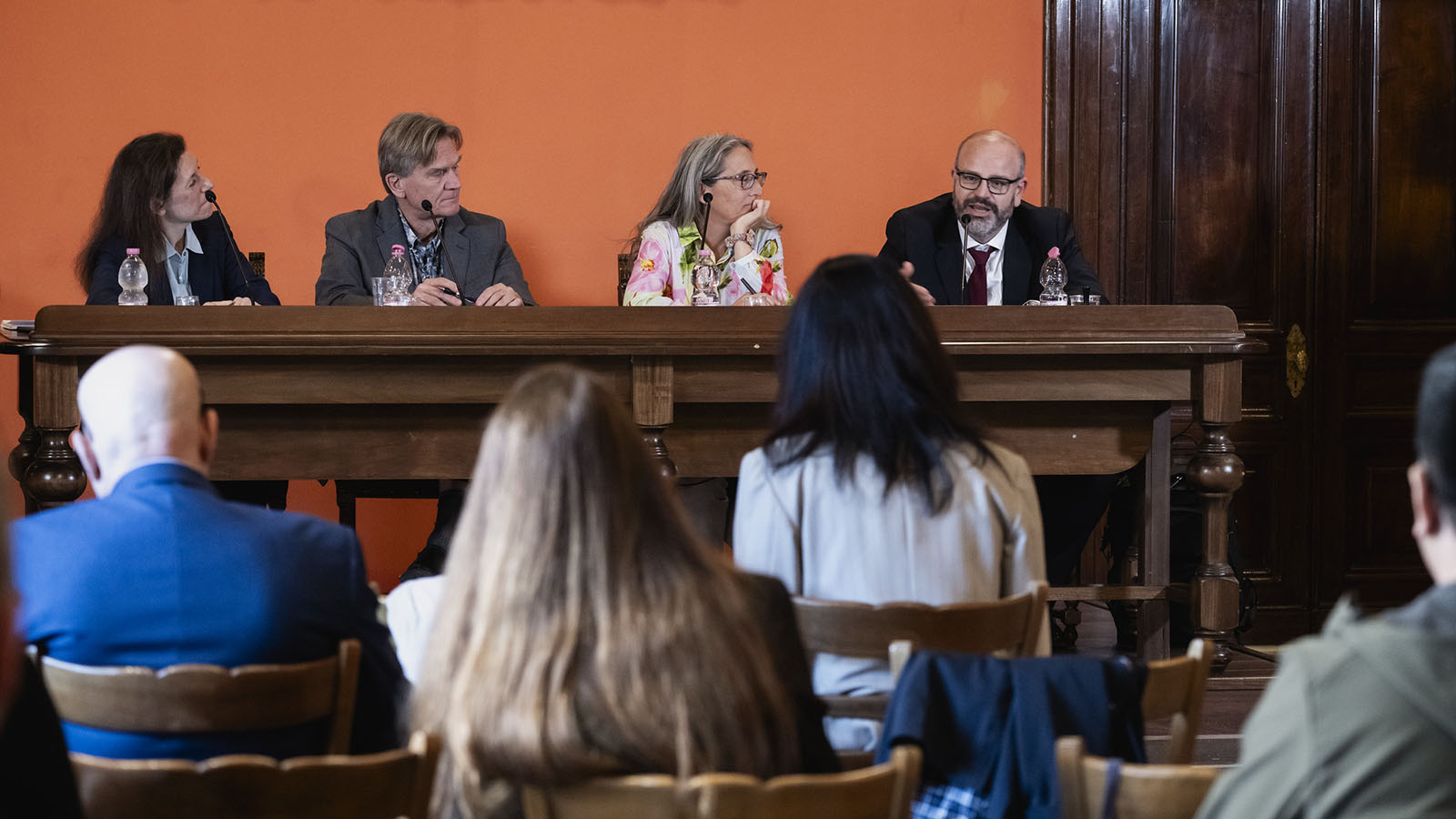
The second panel considers how AI is transforming our personal development and relationships with family and friends
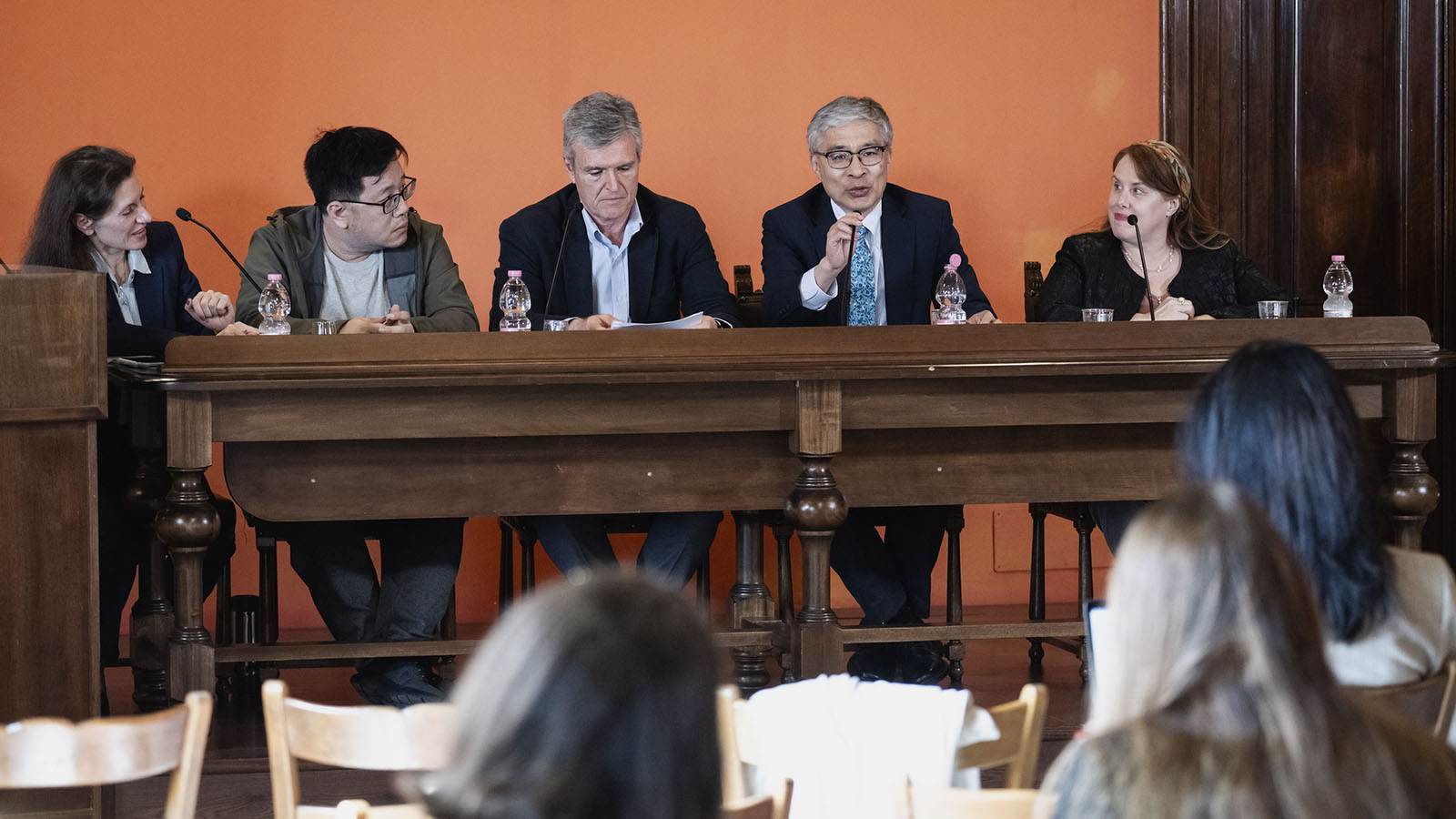
The third panel on "Human-Machine Interaction" addresses whether coexistence with AI requires new ethical frameworks
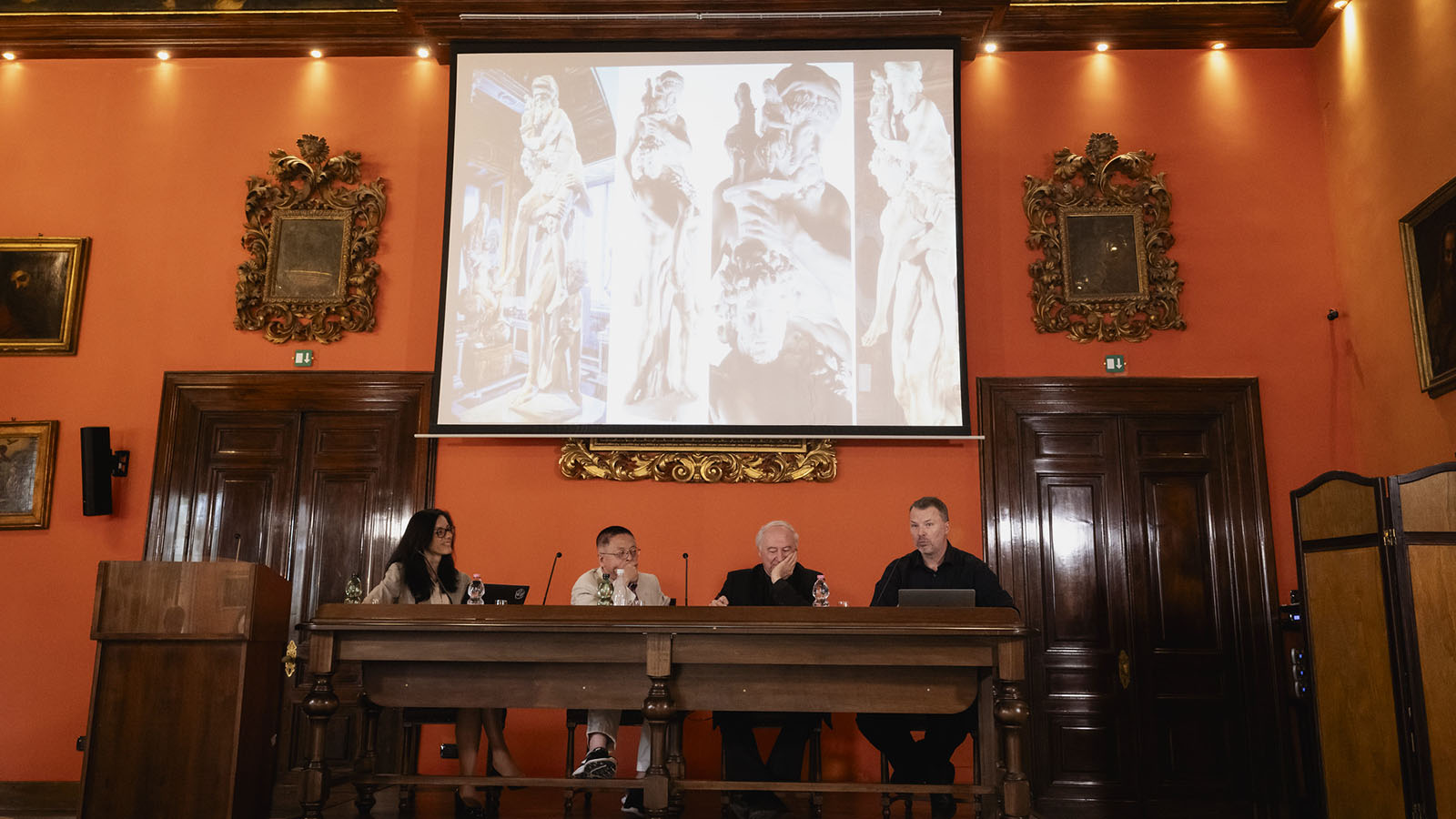
Panelists reflect on ways the Catholic Church's teaching on human dignity sheds light on the challenges posed by AI
Berkley Center Director Thomas Banchoff leads off the closing conversation

Debora Tonelli (Georgetown) and Stefania Travagnin (SOAS) discuss their work organizing the conference