


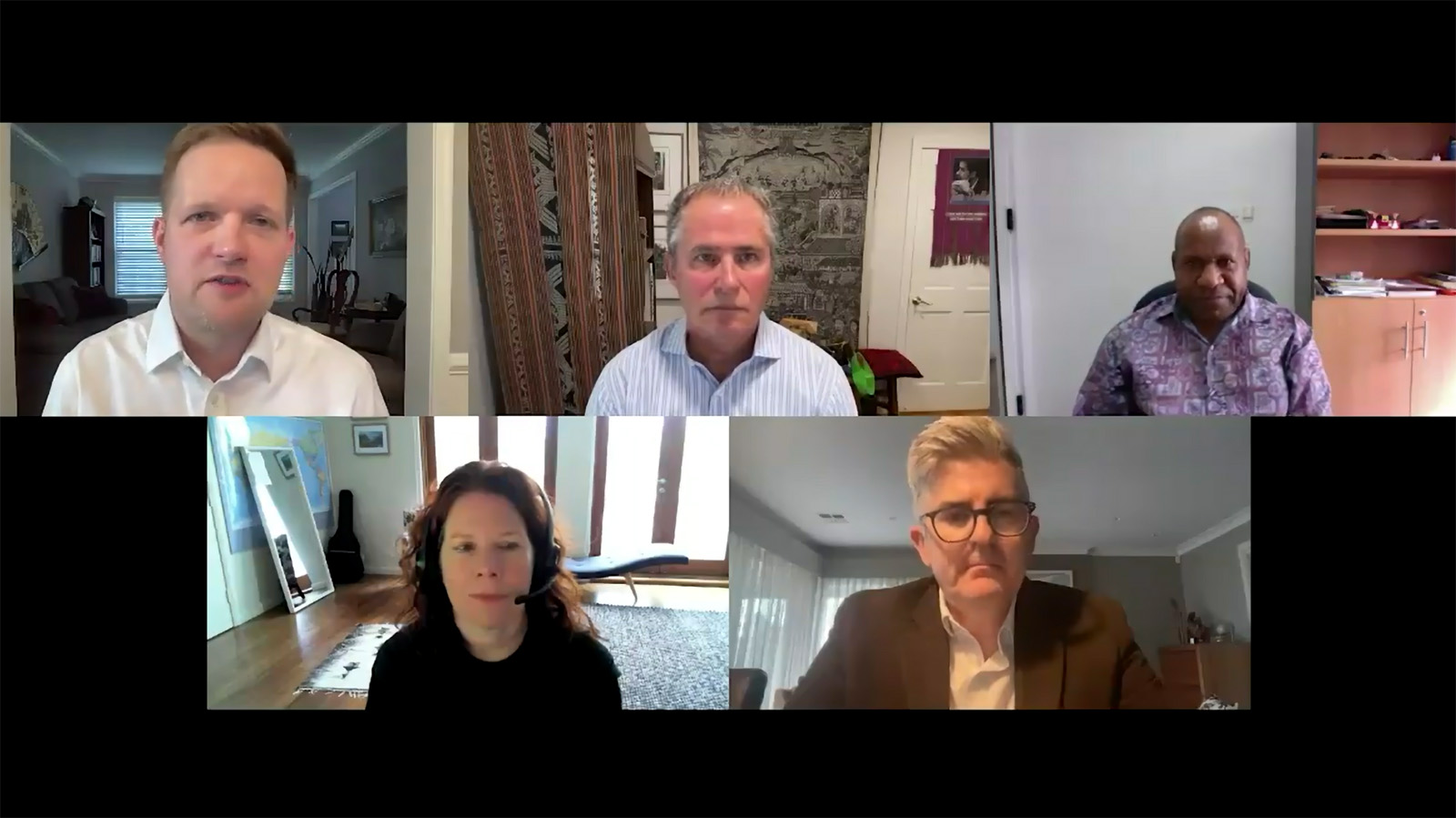

Religion, Peace, and Conflict Country Profiles
Leaders: Susan Hayward Peter Mandaville Melissa Nozell Katie Thompson
Program: Religion and the Future of Global Engagement
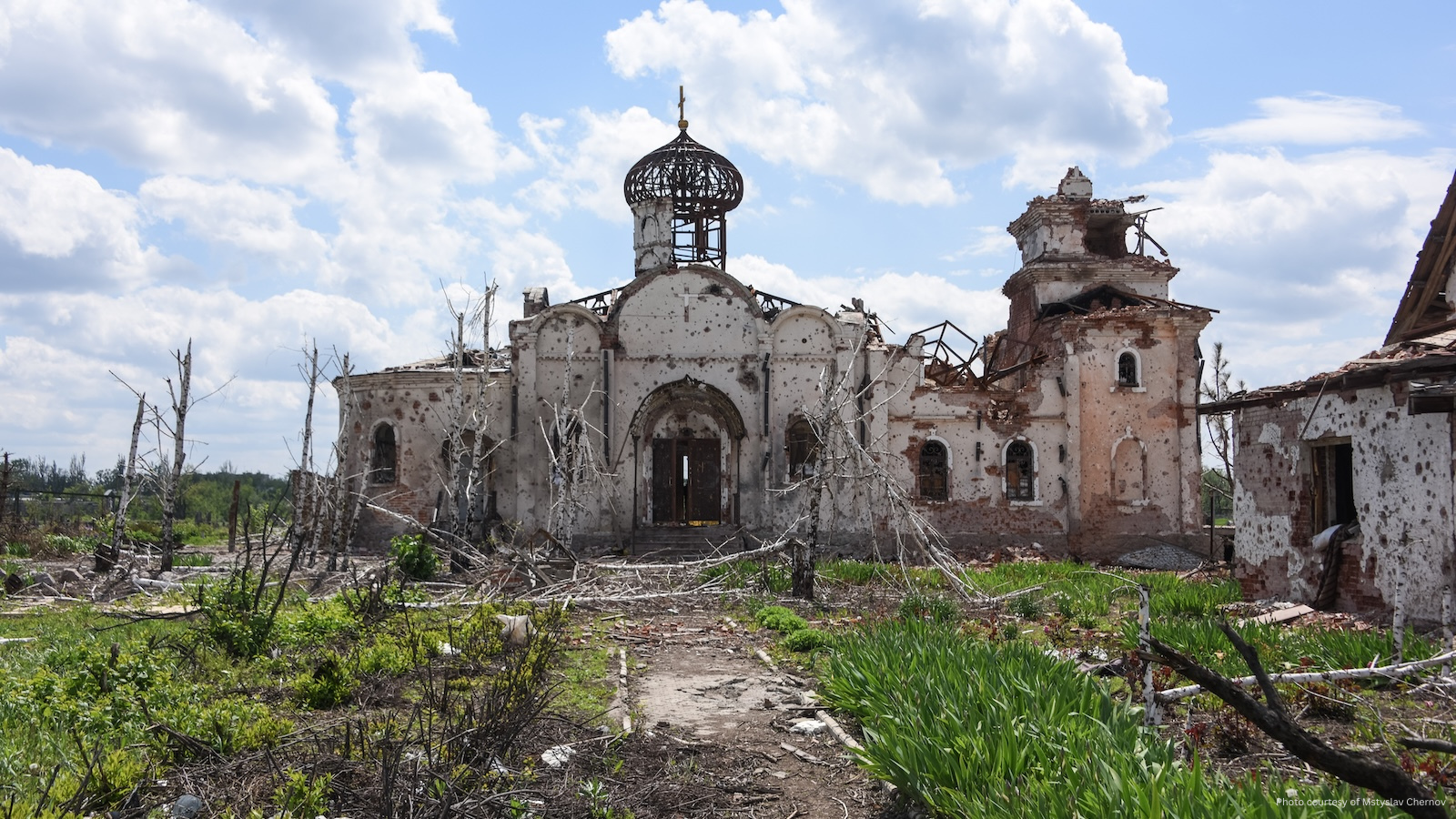
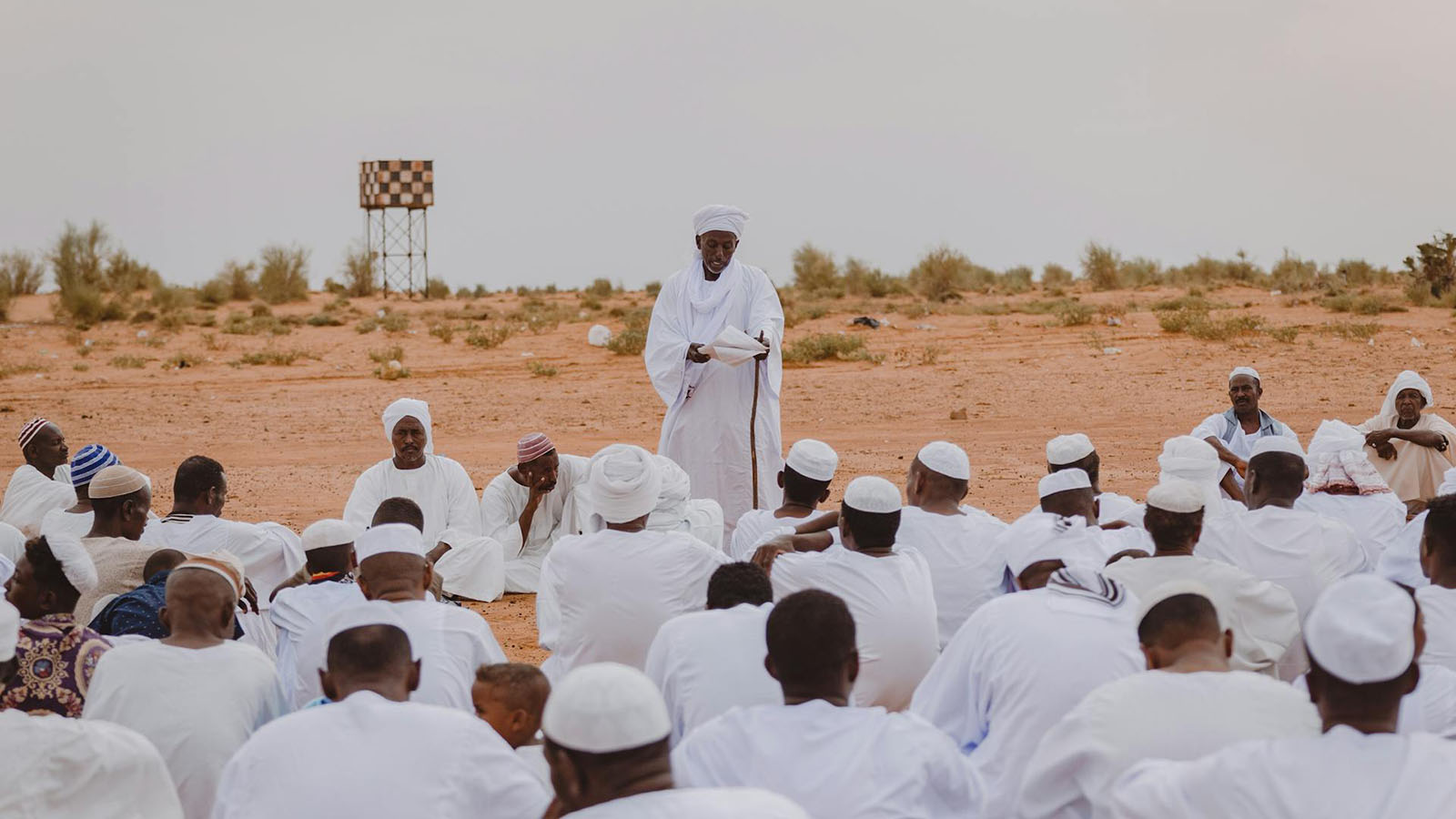
The Religion, Peace, and Conflict Country Profiles (RPACCs) are concise analytic overviews of the religious landscape in countries at risk of, currently experiencing, or recovering from, violent conflict. These profiles extend a series originally produced by the United States Institute of Peace (USIP).
RPACCs are intended to be used primarily by policymakers and practitioners looking to develop rapid familiarity with the nature and status of religion in a given country of interest as well as to understand how religion intersects with conflict and peace dynamics. The RPACC series is an outgrowth of USIP’s previous work on Religious Landscape Mapping in Conflict-Affected States .
Each RPACC provides core baseline information about religion in the focus country, including religious demographics, details of major religious groups, institutions, and leaders, the legal and constitutional status of religion, issues of freedom of religion and belief, and an overview of how religion intersects with key issues in public life with respect to governance, development, and security. Additional analysis highlights the role of religion in relation to peace and conflict, and each RPACC provides links to supplementary resources for readers seeking additional information.
Note: The first profiles in the RPACC series—focused on Bosnia and Herzegovina , Myanmar , and Papua New Guinea —as well as the description of the series used above, originally appeared on the USIP website from 2023 to 2025.
Project Leaders

Senior SRE Fellow

Senior Research Fellow
SRE Fellow

SRE Fellow
Opens in a new window